
Is F1 Academy fit for purpose? That’s the question this week’s Driver Development Roundup sets out to answer, while also exploring how the series could evolve to better support aspiring female drivers. You’ll also learn how teams choose their drivers and much more!
Overview
Becoming a Professional Race Driver
Can the F1 Academy Actually Develop F1’s First Female Driver?
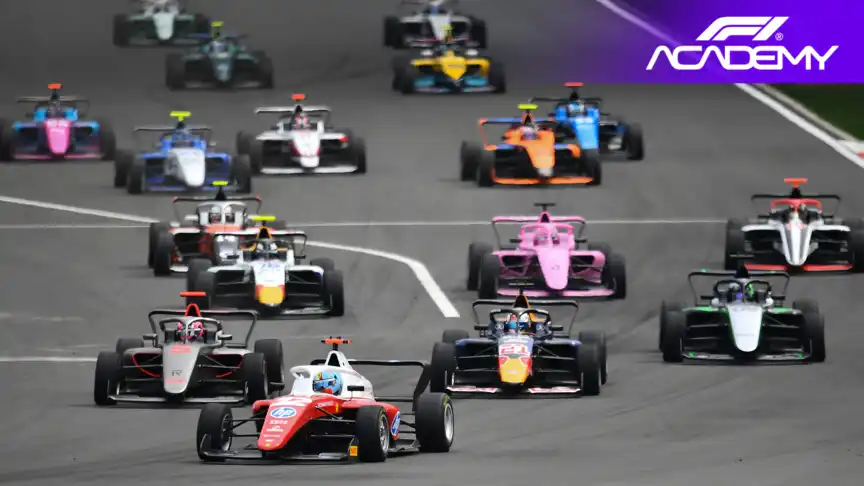
Questions are increasingly being raised about whether the F1 Academy can truly help develop the first female Formula 1 driver. In many ways, the outlook for women in motorsport has never been greater — programs like More Than Equal (see Driver Development Program News & Resources below) are working hard to identify and develop female talent. But the F1 Academy itself is increasingly seen as not fit for purpose in its current form.
The series has undoubtedly been a commercial success and has given its drivers real visibility. What it hasn’t done is provide the pathway its champions need to keep progressing in the sport — particularly into single-seaters, which is its stated goal.
Where are the F1 Academy champions racing now?
- Marta García (2023 Champion): Moved into sportscars and endurance racing, most recently competing in the Ligier European Series.
- Abbi Pulling (2024 Champion): Graduated to the ultra-competitive GB3 Championship with Rodin Motorsport, while also serving as a rookie and simulator driver for the Nissan Formula E team.
- Doriane Pin (2025 Champion): Racing in LMP2 in the European Le Mans Series with Duqueine Team, alongside a Hypercar development role with Peugeot. She’s also stepped up as an official Mercedes F1 Development Driver, completing her maiden F1 test in a 2021 W12 at Silverstone.
All three have found success in their own way — but none of it has come from continued F1 Academy support beyond their championship year.
So what’s the fix?
Several drivers have floated ideas, including Lena Bühler and Abbi Pulling.
Bühler’s take: “I think for me, it’s my opinion, the best thing to do is to take two or three or four girls and invest [in them] until F2, F3, and follow her with everything like marketing teams, budget, everything – and see if it works or not.”
Pulling’s take: “The first goal should be providing more opportunities for women to participate in free practice sessions. F1 regulations mandate that every team field a rookie in four FP1 sessions per season, two sessions per car. The regulations also state, however, that prospective participants must hold a valid FIA super license or practice-only super licence, attainable by earning 25 super license points.”
Pulling’s suggestion really comes down to this: get more women into F3 and F2, finishing well enough to earn the super license points required. Right now, that’s a tall order — only two women have ever competed in either series: Sophia Flörsch in F3 and Tatiana Calderón in F2.
Not every driver is down on the series, though. Many appreciate the platform it gives them to showcase their abilities on the global F1 stage. But 2025 competitor Maya Weug’s situation is a good example of the gap: less than a year ago she was fighting for a championship. Today, she doesn’t have a confirmed race program.
Visibility is clearly there. Progress isn’t guaranteed to follow.
My take: While the FIA seems reluctant to offer scholarships the way the USF Pro Championship series does, I think there’s a straightforward way to deliver on what Pulling and Bühler are asking for — create a scholarship program that places, at minimum, the F1 Academy champion into a fully funded, competitive F3 seat. The second- and third-place finishers would qualify for a prize fund to help pursue an F3 or FREC drive.
Just as important, the program needs to include mentoring, sponsorship and PR training, and racecraft coaching for all three drivers — and the funding should run for at least two years. Year one is about learning the series. Year two is about winning and podiums.
How would it get funded? The F1 Academy has proven it can attract commercial sponsors as well as F1 team and FIA support — that’s exactly where this funding should come from. If the F1 Academy is serious about its mission to promote women in motorsport, this is a concrete way to walk the walk.
Below is a roundup of articles and opinions on the F1 Academy and what should be done to properly fulfill its mandate.
- F1 Academy’s Next Challenge (Open Track Consultants)
- Is F1 Academy Working? The Question Maya Weug Forces Us to Ask (Natalia Tautiva vega)
- ‘We have to fight with the guys’: Bühler on the best path for women in motorsport (Feeder Series)
- F1 Academy News: Graduates warn series is a ‘dead end’ for woman (AR1)
- Feeder Series Podcast: Abbi Pulling on what it would take for a woman to join the F1 grid (Feeder Series)
- Jess Hawkins makes bold female F1 driver prediction (Motorsport Week)
- Women in Motorsport: Towards a More Equal Future? (noraontrack)
The Importance of Long-Term Thinking with Dan Wells
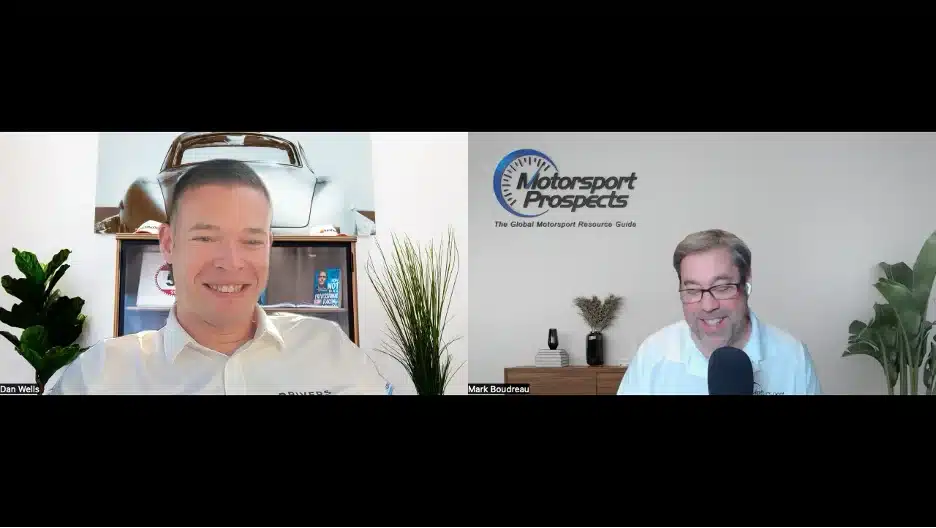
Last week on the podcast, my guest was Drivers Lab founder Dan Wells. Dan explains why long-term planning is essential for any driver looking to build a career in racing, and why success depends on taking advice from the right people. He also shares an important reminder: there is a wealth of knowledge available to young drivers, but you need to take the time to listen, learn and absorb it.
Listen to the full episode here!
How Teams Choose Drivers
Speaking of Dan Wells, in a recent Instagram post, Dan explains how teams choose drivers. “Speed is only one part of how teams choose which drivers to fill their seats, it only gets you into the conversation. Budget, data, professionalism, family dynamic, etc., these are the things that decide who gets the seats.”
From Driver Development to Driver Understanding
Minds on Track explain why the next competitive advantage in motorsport may not be found in the car, but in understanding the person driving it. “Despite enormous technological progress, many driver development programs still assume there is a single blueprint for elite performance. Human performance doesn’t work that way.”
Skip Barber Race Series Winter Shootout Returns
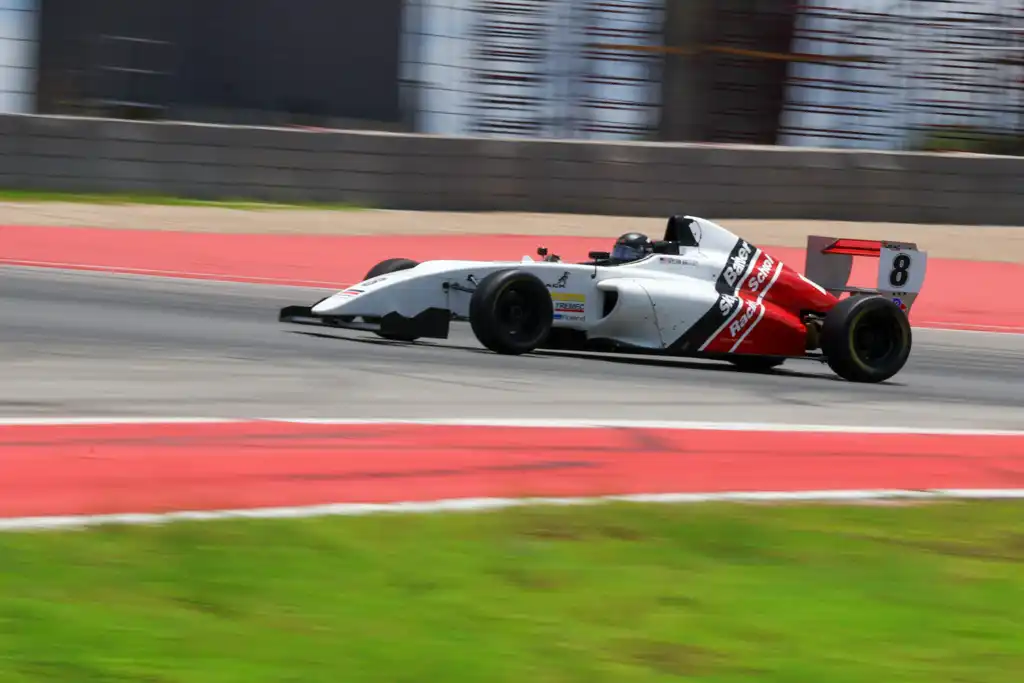
The Skip Barber Race Series Winter Shootout will return this November from Sonoma Raceway with over $200,000 in prizes available for drivers seeking to jump start their formula car racing career.
The Winter Shootout will evaluate drivers on their ability to adapt to instructor feedback, consistency of their laps, their rate of improvement and technical understanding of the vehicle, along with their personal and professional conduct. The Shootout will not feature any wheel-to-wheel racing, instead it will place an emphasis on the learning-first nature of the Skip Barber Race Series and Skip Barber Racing School.
What’s It Like to be a Racing Driver Who’s Not Racing?
What happens when a young driver reaches the edge of Formula 1—but suddenly finds himself without a race seat? RACER follows Jak Crawford through his first season as Aston Martin’s third driver, exploring the strange reality of watching F2 races from the sidelines while trying to stay sharp through simulator work, FP1 appearances and tyre testing. Crawford’s experience also highlights a difficult career-management challenge for drivers: staying visible and competitive when you’re no longer racing every weekend, and finding opportunities that keep the momentum going while waiting for the next race seat. Read the full article here.
Giorgio Ribaudo on I Want to Race: How Motorsport Became an Exclusive Club Instead of a Talent Arena
The first lie of modern motorsport is quiet. It does not shout. It reassures. It suggests that talent and dedication are enough. Then, almost politely, it presents the bill. In I Want to Race, Giorgio Ribaudo begins exactly there, at the moment when illusion meets structure. Not with resentment, not with nostalgia, but with an observation few insiders are willing to articulate. Motorsport did not drift into exclusivity. It was engineered into it. At some point, speed stopped being the decisive variable. Capital took its place.
You can read the full review from New York Weekly here.
The F1 Ladder Can’t Be Fixed. Stop Pretending It Can
The pathway to Formula 1 is often described as a problem that needs fixing—but Alan Dove argues that the economics and structure of the ladder make a complete solution impossible. With only a handful of new F1 seats becoming available each year, thousands of drivers are competing for extraordinarily limited opportunities, driving costs ever higher. The article makes a broader argument for shifting attention away from F1 as the ultimate measure of success and allowing karting and other forms of motorsport to develop their own identities, opportunities and reasons for participation.
Britain’s Youngest Formula E Driver Says Talent Isn’t Enough Anymore
Taylor Barnard’s rapid rise in Formula E highlights just how demanding the modern electric racing landscape has become. This BBC feature looks at the young Briton’s development and the growing demands placed on drivers, from split-second decision-making at high speed to the technical knowledge, simulator work and physical preparation now required to succeed. It also explores Barnard’s candid view that talent alone is no longer enough—drivers need a much broader set of skills to reach and remain at the top of Formula E.
When Money Talks Louder Than Talent: NASCAR’s Family Business Problem
Talent used to be the entry fee to NASCAR’s top ranks. Now, according to former Cup Series driver Rick Mast, it’s often just a bonus. In a candid breakdown of how the sport has changed since the 1980s and ’90s, Mast pulls back the curtain on an uncomfortable truth: grid spots increasingly go to the best-funded, not the best-driving. From well-connected names like Ty Dillon and Riley Herbst to breakout success stories like Kyle Larson, this piece digs into who gets a seat at motorsport’s highest level — and why. For anyone trying to understand the real economics behind a racing career, it’s essential reading.
Driver Development Program News & Resources
How More Than Equal Plans to Develop the Next Female F1 Driver

Reuters explains how the non-profit More Than Equal program’s founding aim is “to identify, develop and support the first female Formula One world champion” and what they are doing to accomplish it.
“We’re not a race team, we don’t have shiny cars with shiny stickers, we’re not a race series,” chief executive Tom Stanton told Reuters. “What we do is build drivers, and that’s how we fit into the ecosystem.”
CUBE 3 TA2 Series Champion Tristan McKee Making NASCAR Craftsman Truck Series Debut
Tristan McKee recently made his NASCAR Craftsman Truck Series debut on August 14, piloting the No. 77 Chevrolet Silverado RST for Spire Motorsports. McKee was the inaugural signee of Spire Motorsports’ Ascent Driver Development Program. His success on both short tracks and in the CUBE 3 Architecture TA2 Series made him a top prospect within the organization.
“This is a huge step in my career and I’m incredibly thankful for the opportunity to drive for Spire Motorsports in the NASCAR CRAFTSMAN Truck Series,” said McKee. “I can’t thank Jeff Dickerson, Dan Towriss, Bill Anthony, and everyone at Spire Motorsports enough for believing in me and making this possible. I’ve worked for this opportunity my entire life and I’m thrilled to take this next step in my career.”
On the Podcast This Week
The Business Side of Racing with Lawyer Ed Holloran
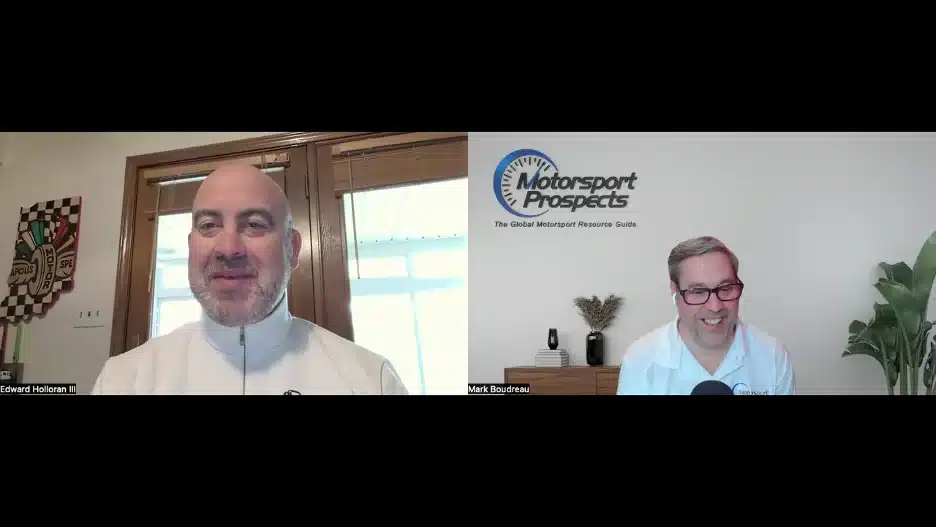
On the podcast this week I speak with motorsport lawyer Ed Holloran. Ed explains the importance of treating your racing career as a business and offers critical advice that can save you money in both the short and long-term.
The episode drops Wednesday, August 26th, 2026 at 10:00 AM EST. You can listen to the episode and subscribe to the podcast on your favourite podcast platform here.
Karting
Botswana Launches Grassroots Karting Academy to Boost Participation
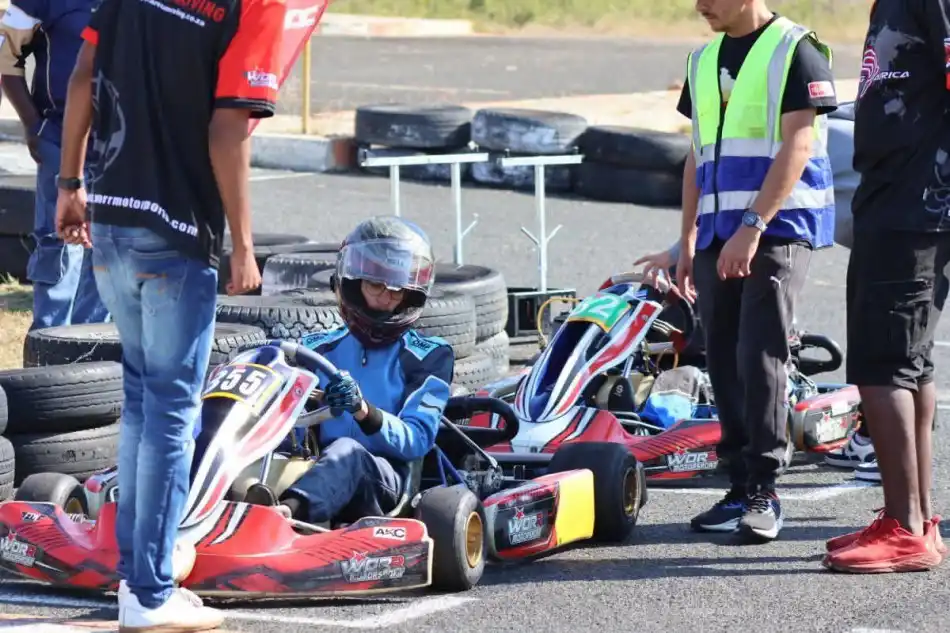
Botswana Motorsport, in collaboration with WORR Motorsport, has launched the Karting Africa Academy during an interactive session in Lobatse, Botswana last month. The milestone event attracted 40 participants, many of whom received their first taste of motor sport.
The event also showcased the new Karting Africa Academy kart chassis, purpose built for the Academy program by WORR Motorsport to boost participation in entry level motor sport across Africa. Botswana Motorsport was honoured to become the first national sporting authority (ASN) in Africa to officially launch and introduce the chassis.
The Missing Middle: Why Karting’s Growth Problem Starts at the Bottom, Not the Top
Everyone talks about karting’s growth problem from the top down — too expensive, too many series, a shrinking pool of talent. Keith Warren, a karting dad and the owner of Race Select, says we’ve been diagnosing the symptoms and ignoring the disease. In this column, Warren argues that the sport is quietly losing newcomers in the first few weekends — not because they lose interest, but because nobody taught them how to survive the leap from curious first-timer to confident competitor. From the “new kart dad” who’s never touched a wrench to the disappearing privateer, this piece makes the case that karting doesn’t need another championship — it needs better onboarding. A must-read for anyone thinking about where the next generation of racers actually comes from.
Driver Entries Open for FIA Karting Arrive and Drive South American Championship
Entries have opened for the first FIA Karting Arrive and Drive South American Championship, to be held over 2-4 October 2026 at the Kartodromo De Imperatriz in Brazil.
The Arrive and Drive format championed by the FIA promotes affordable, accessible and inclusive entry point motor sport rewarding individual racing skill and talent and the best eligible 13 junior and top 13 senior finishers of the South Americam Championship will qualify for the 2026 FIA Karting Arrive and Drive World Cup in Malaysia in November, and therefore a chance to secure a position in the prestigious FIA Karting Shootout.
Drivers entering the Arrive and Drive South American Championship will be required to compete with their own OK kart consisting of a CIK-FIA-homologated Group 2 chassis with CIK-FIA-homologated ‘2WP’ or ‘BRKF’ rear brakes and a complete CIK-FIA-homologated bodywork kit. As part of the entry fee, the kart will be fitted with a standardised TM engine and a rear protection system with wheel covers provided by the FIA and tyres supplied by MGTires.
Full details can be found here.
Handikart Cup
From 17 to 20 September 2026, the Fédération Française du Sport Automobile (FFSA) will host the first edition of the Handikart Champions Cup at the International Karting Circuit in Le Mans, in close collaboration with FIA Karting.
France has long encouraged karting competition for drivers with reduced mobility and the Handikart Champions Cup is an evolution of the former International Handikart Trophy launched in 2013.
Pioneers fuelled by passion have developed Handikart over many years. Fabrice Dubois was a pioneer, travelling to numerous national and international competitions to raise awareness among spectators and fans of this sport. With Alain Nicolle, they were then at the origin of the official involvement of the FFSA in this type of event.
The Handikart Champions Cup is supported by the FIA through the Disability and Accessibility Commission. It is part of the prestigious meeting organised in collaboration with the ASK ACO at Le Mans from 17 to 20 September, including the Mondokart.com FIA Karting World Championship (KZ), the FIA Karting KZ2 World Cup and the FIA Karting International Masters’ Super Cup.
The Handikart Champions Cup is an important step in the national and international development of the practice of Handikart with the support of the FIA. It is an event open to karting drivers with reduced mobility from all countries and uses Rotax Max and Iame X30 engines. The equipment must be approved by the FFSA via a Handikart approval form (documents to be consulted on the https://www.fiakarting.com/page/guidelines-drivers-disabilities website).
More details can be found here.
ROK Vegas 2026 – Important Information and Links
EKN has posted all the important information needed to prepare for ROK Vegas 2026. You can read it all here.
Last Week on The Business of Being a Race Driver
The Cost of Running a Race Team

The cost of running a race team is something that drivers and their advisors don’t often consider. Last week’s issue of the Business of Being a Race Driver explains what it costs to run a modern race team.
From the Sim Racing Roundup
2026 Skip Barber Formula iRacing Series Winner Revealed
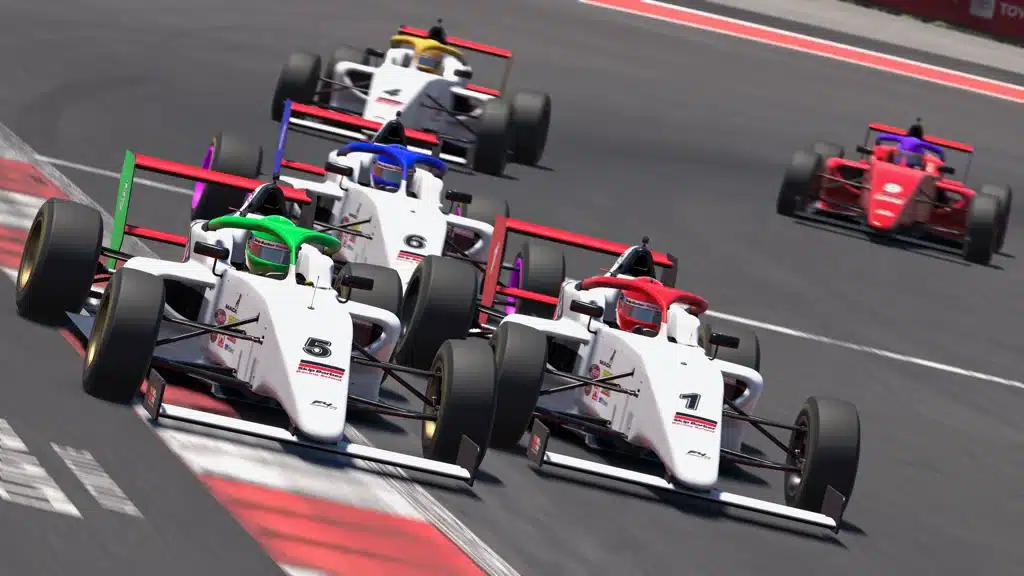
The 2026 Skip Barber Formula iRacing Series winner has been revealed and in last week’s Sim Racing Roundup, you will see how this could lead to real-life racing. I also had details on Esport Talent Search Africa, a peek at the Simucube Performance Center and more!
Driver Journeys
Kaylee Countryman Appreciates Support of Haas in Maiden F1 Academy Season
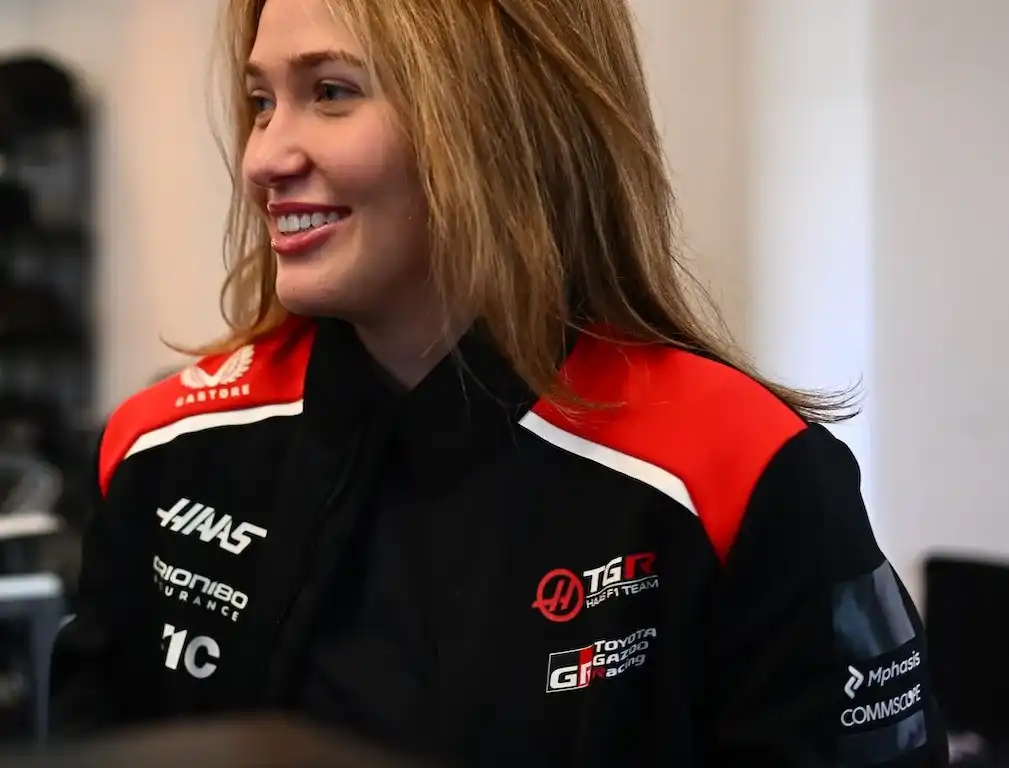
The youngest driver on the F1 Academy grid this year is 16-year-old Kaylee Countryman, racing in the series with backing from Haas. Feeder Series spoke to Countryman about her campaigns in F1 Academy and USF2000, the difference between racing in Europe and the United States, and where her future may lie.
Alessandro Famularo on Returning to Full-Time Racing
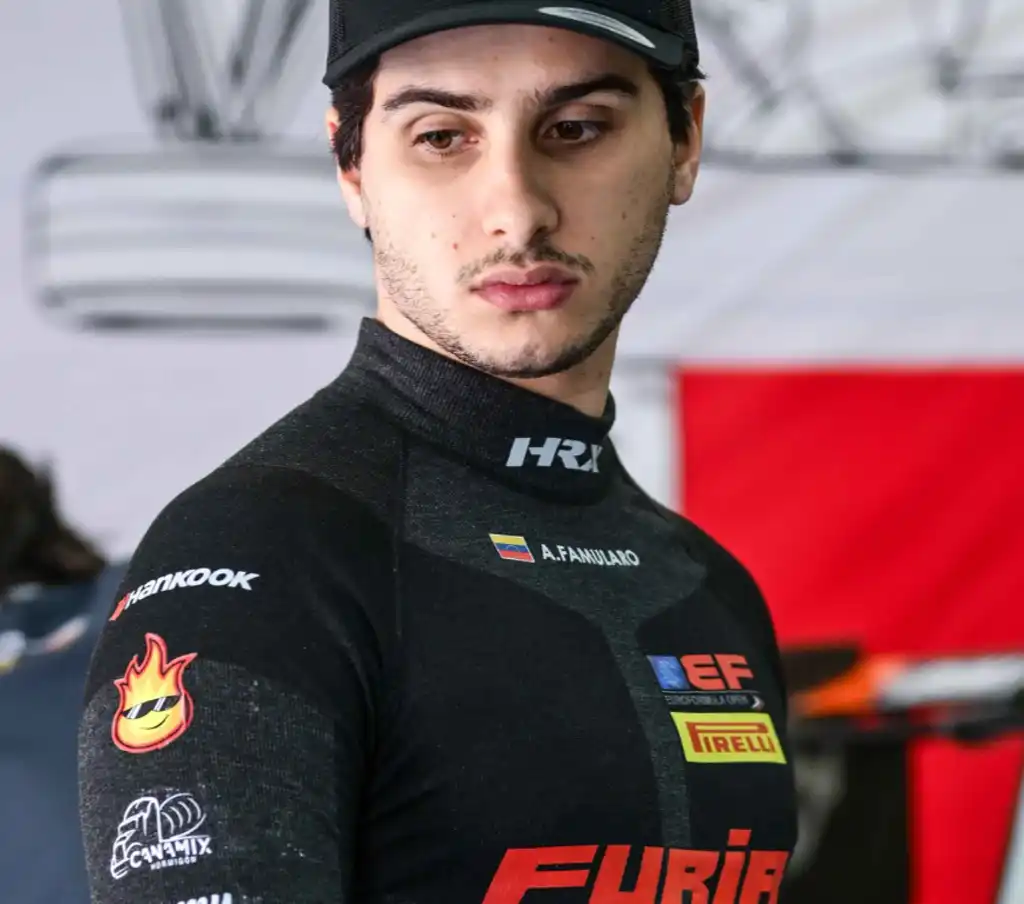
If graduation up the racing ladder was determined by generation, 23-year-old Alessandro Famularo was held back a few years. The Venezuelan watched as his peers accelerated into Formula 1 while budget left him out of a full-time race seat for six years. He sat down with Feeder Series at the Hungaroring round of Euroformula Open to tell the story of his racing career and what happened in those challenging years in between.
Ferrari’s Alba Larsen Is Just Getting Started

Three race weekends and one Tatler cover later, F1 Academy driver Alba Larsen sat down with The Paddock Journal to reflect on a whirlwind stretch of her season. The 17-year-old Ferrari talent opens up about bouncing back from setbacks, why she’s obsessed with sleep and recovery, and the bigger mission behind G.I.R.L. — her initiative to get more girls into motorsport, on and off the track. It’s a candid look at what it takes to grow up fast in racing, on and off the grid.
How a Bangladeshi Racer Made it to Formula 4
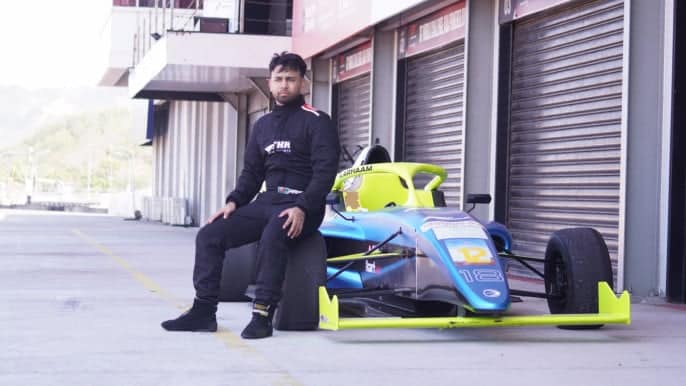
For decades, the biggest barrier for Bangladesh’s aspiring motorsport drivers may not have been a lack of talent but the absence of a visible route. A child could dream of becoming a racer without knowing what the first step looked like, where to train or how to progress. Arhaam Rahman, Bangladesh’s first F4 racer, is trying to change that. Read about his journey at The Business Standard here.

Author: Mark Boudreau
Mark is the publisher of Motorsport Prospects and the host of the Motorsport Prospects Podcast. As a lawyer, he applies his legal background and research skills to assist race drivers by showcasing the resources they need to make their motorsport careers happen.
