The World Rally Championship has signed a new rights agreement, and I have the details and analysis on the agreement in this week’s Business of Motorsport Roundup. I also look at the demand for new F1 races, IMSA looks to expand its calendar, the latest motorsport legal news and more.
Overview
Motorsport Industry News
FIA Announces New Commercial Rights Agreement for WRC, ERC
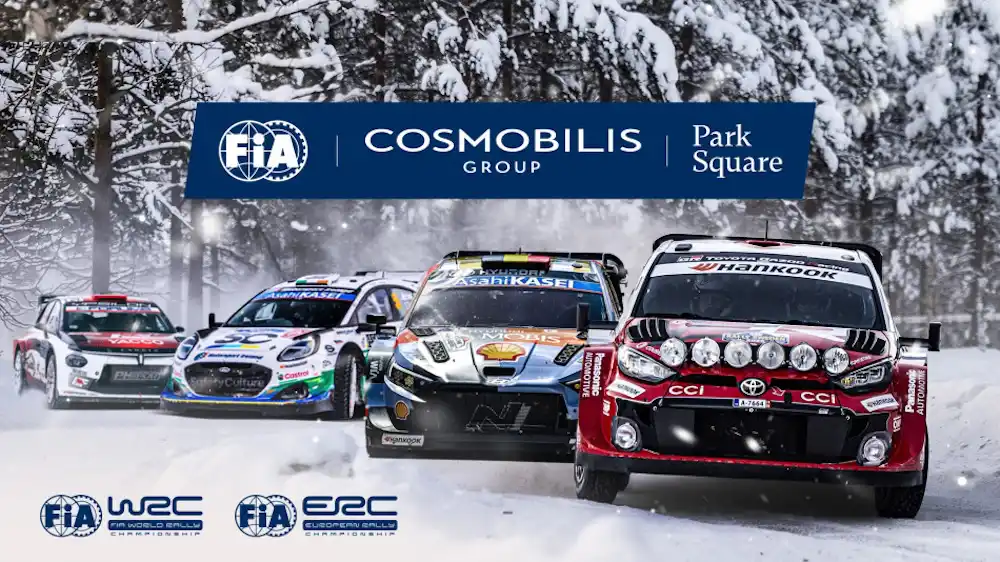
The FIA has announced a new long-term commercial rights agreement for the FIA World Rally Championship (WRC) and FIA European Rally Championship (ERC). It follows the acquisition of WRC Promoter GmbH by Cosmobilis and Park Square Capital.
While the deal was a long time coming, questions still surround the acquisition, including the reactions of both Hyundai and M-Sport. Meanwhile, Robert Reid explains how, now that the WRC has new owners, the system must connect.
What a Day at McLaren HQ Teaches Us About F1

A visit to McLaren’s headquarters reveals that Formula 1 success is built on far more than fast cars and talented drivers. This behind-the-scenes feature at The Race explores the culture, technology, and relentless attention to detail inside the McLaren Technology Centre, showing how engineers, strategists, designers, and countless specialists work together to gain the smallest competitive edge. It’s a compelling reminder that in modern Formula 1, excellence is the product of an entire organization—not just what happens on race day.
Demand for an F1 Race is at an Al Time High
Formula 1 President and Chief Executive Officer Stefano Domenicali says hosting requests keep arriving from around the world, even as the calendar’s own capacity for new rounds gets tighter with demand from Germany and France, Malaysia, Thailand, Rwanda, South Africa and potentially Argentina.
While Hungary at one time was under threat, recent refurbishments of the track has allowed them to avoid F1’s rotational strategy while the economic impact of the Madrid Grand Prix has been estimated at €467m and 8,850 jobs.
Why Does F1 Still Only Own One Grand Prix?
Formula 1 proved it could successfully promote its own grand prix with the Las Vegas Grand Prix but, almost four years later, the more interesting question is why it hasn’t repeated the model elsewhere. Autosport looks into the economics of F1 owning its own race.
FIA Blames Manufacturer Resistance for F1 2026 Problems
The FIA has pushed back at driver criticisms that it did not do its homework properly and failed to anticipate the scale of problems with Formula 1’s 2026 rules. Instead it says it knew the potential pitfalls well in advance, but that its attempts to head off trouble by making rule changes before the cars began racing were derailed by resistance for change from manufacturers.
India’s Motorsport Progress
India has officially recognized motorsport as a sport rather than entertainment according to Bharat Index, marking a significant policy shift aimed at supporting the growth of motorsport in the country. In addition to this, the FMSCI (Federation of Motor Sports Clubs of India) has been provisionally recognized as a National Sports Federation (NSF) by the sports ministry. This move strengthens the motorsport governing body’s standing in India, as the government pushes to grow the racing ecosystem and bring more international events such as F1 back to the country. It looks like the country is getting serious about it’s motorsport aspirations.
IndyCar Has Changed Forever
IndyCar is entering a pivotal period, and this opinion piece argues that the series is undergoing a fundamental transformation rather than a routine evolution. From new ownership dynamics and commercial strategies to shifting expectations around technology, media, and fan engagement, Will Marotti examines the forces reshaping the championship and asks whether the changes will position IndyCar for sustained growth in an increasingly competitive motorsport landscape.
IMSA Exploring Calendar Expansion
As IMSA’s popularity continues to grow, the series is actively exploring new venues and markets that could join the WeatherTech SportsCar Championship schedule as early as 2028. While IMSA President John Doonan stresses that any expansion must balance fan demand with the financial realities facing teams and manufacturers, discussions are underway to identify strategic locations that add value without significantly increasing costs. These articles examine IMSA’s approach to future calendar growth, the factors influencing venue selection, and why a fresh destination could be on the horizon before the end of the decade.
- IMSA exploring opportunities for calendar expansion (RACER)
- Doonan: IMSA “On The Hunt” For New Circuit
Guenther Steiner Reveals the Biggest Difference Between Tech3 MotoGP Ownership and Running Haas F1
Tech3 team owner Guenther Steiner has offered key insights into how his current role in MotoGP differs from his time running the Haas Formula 1 team. “It is a little bit different because in the end, when I did the other things, it was my sole job. I do other things as well now,” shared Steiner.
Quick Takes on the Business of Motorsport This Week
How Race Driver Will Macintyre is Helping Others and More
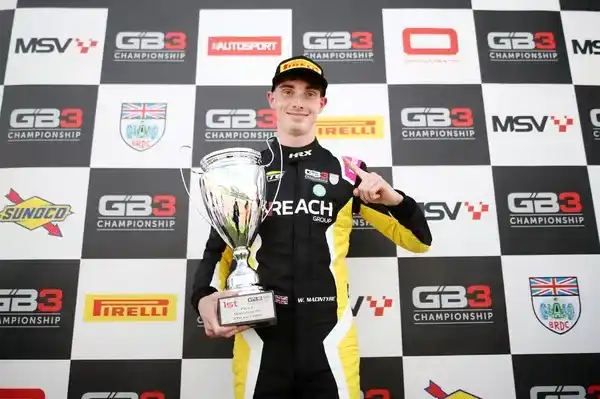
- How a young driver is using his illness to help others (Autosport)
- F1 midseason grades for all 11 teams: One A and one F, but plenty just scraping by (The Athletic)
- Technical partnerships don’t just happen (Rush)
- From Racing Driver to Team Director: Darryl O’Young on Sponsorship, Media and Motorsport Growth (The Hairpin)
- Inside Formula 1’s Aggressive Retail Expansion and the Business of Motorsport Merchandising (Streamline)
- Registration is Now Open for the ICMS Annual Congress (ICMS)
- Storytelling in the Fast Lane: Lessons From McLaren Racing’s CMO (Wall Street Journal)
- What Lessons Can Formula 1 Learn From the FIFA World Cup? (Paddock Journal)
- MotoGP and Silverstone extend partnership through 2028 (MotoGP)
- Who owns who? Every major manufacturer and its parent company (Autosport)
- How IndyCar and Dallara turned ‘a blank sheet of paper’ into a new car in 17 months (Indy Star)
- A Click Is Not A Visitor: Lessons from The Top Flight America 250 (Brian Scott McRae)
- Aston Martin creditors threaten legal action over plan to sell branding rights, FT reports (Reuters)
- Benefactor Cuts DirtFish Women in Motorsport Summit Admission Price to $89! (DirtFish)
- IMSA Evaluating Mandatory GTD Pro Entry for All GTD Brands (Sportscar365)
- Why Championship Racing Teams and Digital Businesses Win Through Operational Precision (Speedway Media)
- “Engage and inspire”: Why COTA added a Thursday to its F1 weekend (Sector)
- US GP on target for record crowd (RACER)
- North Carolina eyes potential for Formula 1 as part of updated motorsports strategy (Charlotte Business Journal)
- Marcos Ambrose explains AASA exit (SpeedCafe)
Highlights from the Sustainable Motorsport Roundup
Monaco Commits to Formula E
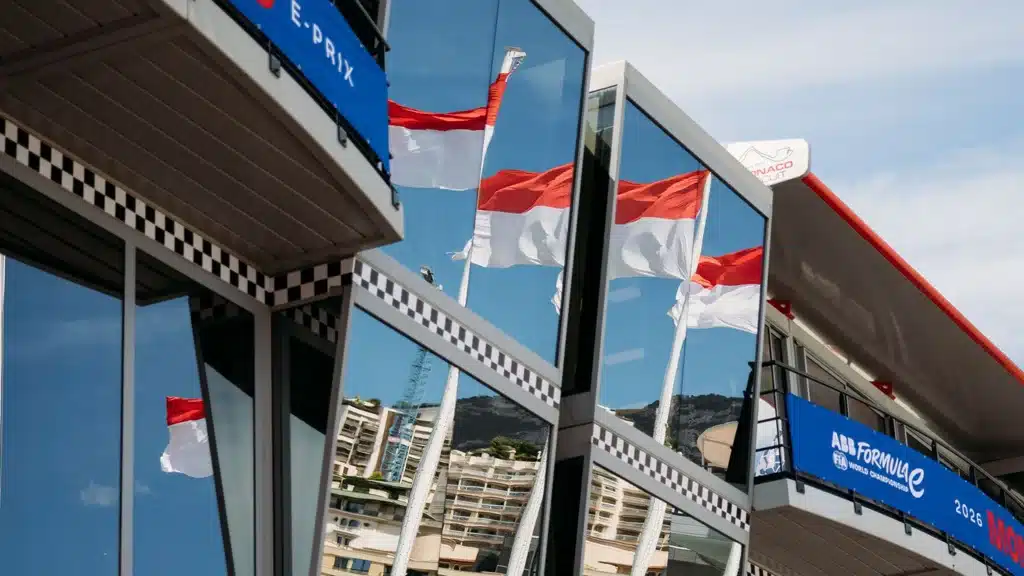
Monaco has committed to a new contract with Formula E, and I have the details in this week’s Sustainable Motorsport Roundup. I also have details on Lola’s reinvention, how motorsport can cut its carbon footprint and more.
The Numbers This Week
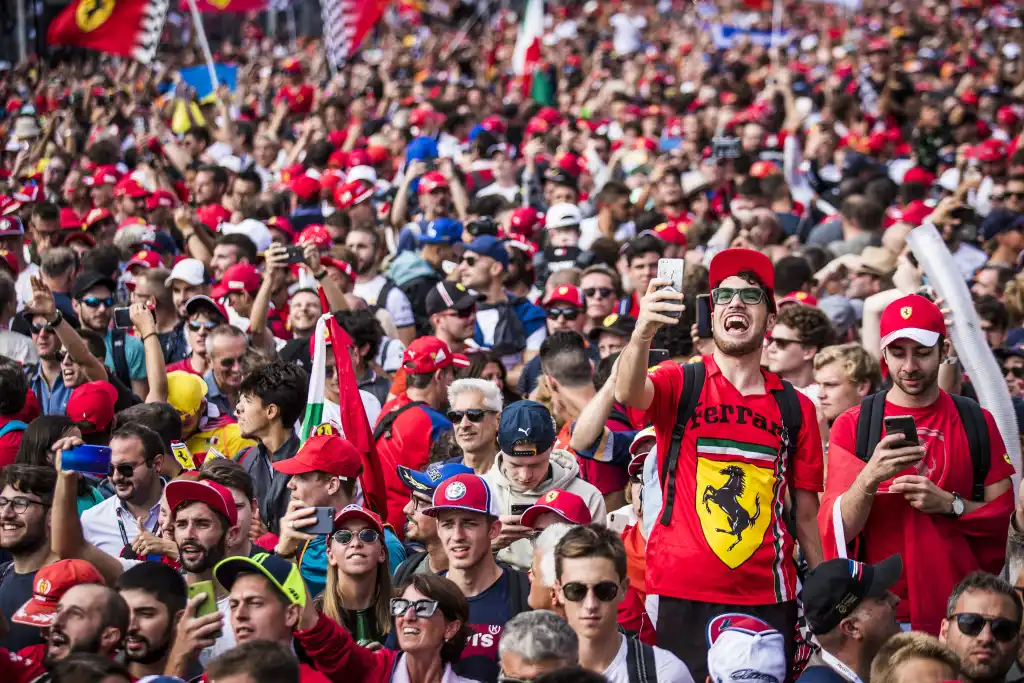
F1’s Half Year Numbers Are Booming. The Fan Survey Behind Them Is Built On 0.007% Of The Fanbase (Coffee Corner Motorsport)
Motorsport Law Roundup
What Is The Concorde Agreement In F1? The Deal That Runs The Sport
The Concorde Agreement is the private contract that binds Formula 1 together: the FIA, the commercial rights holder and the teams, setting out how the sport’s revenue is divided, how its rules are governed, and the teams’ commitment to actually turn up and race. Without it there is no championship, only a governing body, a promoter and eleven teams with nothing holding them to each other. Its text has never been published, and this article is clear throughout about what is confirmed by the parties themselves and what is only ever reported.
Jack Renn dives into the details of what we know about the Concorde Agreement here.
Kimi Antonelli Faces Legal Action from Former Manager
The summer break may be upon Formula 1, but that hasn’t stopped Mercedes’ Kimi Antonelli from finding himself in the middle of a lawsuit. Ahead of the Hungarian Grand Prix, it was revealed that the 19-year-old had a pending lawsuit. The son of Giancarlo Minardi, founder of the perennial backmarker F1 team of the 1980s and 90s, believes that Antonelli owes him millions in compensation for his early role in Antonelli’s career.
Motorsport Week looks at the substance of the lawsuit and why it came about here.
No Two F1 Contracts Are the Same
Brands are skipping the agency and going directly to the teams. Getting team proposals is the easy part, knowing what’s actually in them is where the money is won or lost. Rush Sports & Entertainment explain why no two F1 contracts are the same.
Beyond Infantino: The 50-Year Presidential Problem That Refuses to Go Away
Rather than focusing solely on Gianni Infantino’s latest controversy, this thought-provoking analysis from Global Sustainable Sport argues that the real issue lies in the governance structures of international sport itself. Drawing on case studies from FIFA, World Athletics, the International Biathlon Union, and boxing, the author contends that repeated governance crises stem from institutions concentrating too much authority in the presidency rather than building strong systems of independent oversight and accountability. It is a compelling examination of why lasting reform depends on redesigning governance—not simply replacing leaders.
The Padlock and the Private Key: F1’s Parc Fermé Rule Gets Its First Real Exception in Decades
Formula 1’s parc fermé regulations have long represented one of the sport’s most important safeguards, locking teams into their strategic choices once qualifying begins. This analysis from Ubaidullah Kazi examines a rare exception to that principle, exploring how changing circumstances have forced F1 to reconsider one of its most rigid rules and what that could mean for the balance between sporting fairness, technical freedom, and adaptability. It offers an interesting look at how even the most established regulations must evolve as the sport’s technology and competitive demands change.
Supercars Breaks Silence on Appeal Into Allen Verdict
A disputed tire pressure ruling involving Grove Racing and Kai Allen has sparked a wider debate about technical regulations, measurement tolerances, and consistency in motorsport officiating. This article from SpeedCafe examines the team’s successful defence against a potential penalty and the decision by Supercars to challenge the outcome, highlighting the difficult balance between enforcing strict rules, accounting for technical limitations, and maintaining confidence in the fairness of competition.
The case also raises broader questions familiar across motorsport: when a technical advantage may exist but the rules, equipment, and enforcement procedures leave room for interpretation, how should governing bodies respond?
Motorsport Law Forum Introduces The Exchange Webinar Series
The Motorsport Law Forum is introducing a new speaker series for the forum called The Exchange, and the first session is coming up soon.
Ed Holloran, national chair of motorsports law at the large national law firm, Quarles, joins us on Tuesday, August 11 at 7:00 AM US Central / 1:00 PM London / 2:00 PM CET.
Can’t make it live? No problem. This session will be recorded, and we will share it with anyone who registers but isn’t able to attend.
RSVP here: https://us06web.zoom.us/meeting/register/GcxCiJajSEalLSymvkN09A
Looking forward to seeing you there!
Motorsport Sponsorship, Partnership News and Analysis
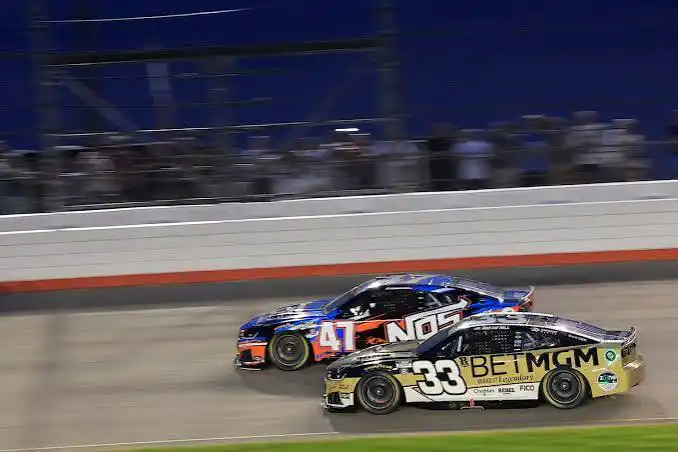
- Inside NASCAR’s Sponsorship Boom: How Digital Sports and Betting Brands Became Series Partners (Speedway Digest)
- GoPro Just Partnered With American Flat Track Racing Amid Serious Business Trouble (Ride Apart)
- McLaren and DP World extend partnership (SIG)
- RTL Deutschland and MotoGP expand partnership: all races fully exclusive in Germany through 2030 (MotoGP)
- Sponsor Debrief: Belgian Grand Prix (Sunday’s Sponsors)
- Bridgestone reinforces its leadership in motorsports as the Official Title Sponsor of IMPACT Speed Fest 2026 (Thai PR)
- Super GT announces schedule changes, tire contracts (RACER)
- Sector picks its top 5 F1 commercial deals of 2026 so far (Sector)
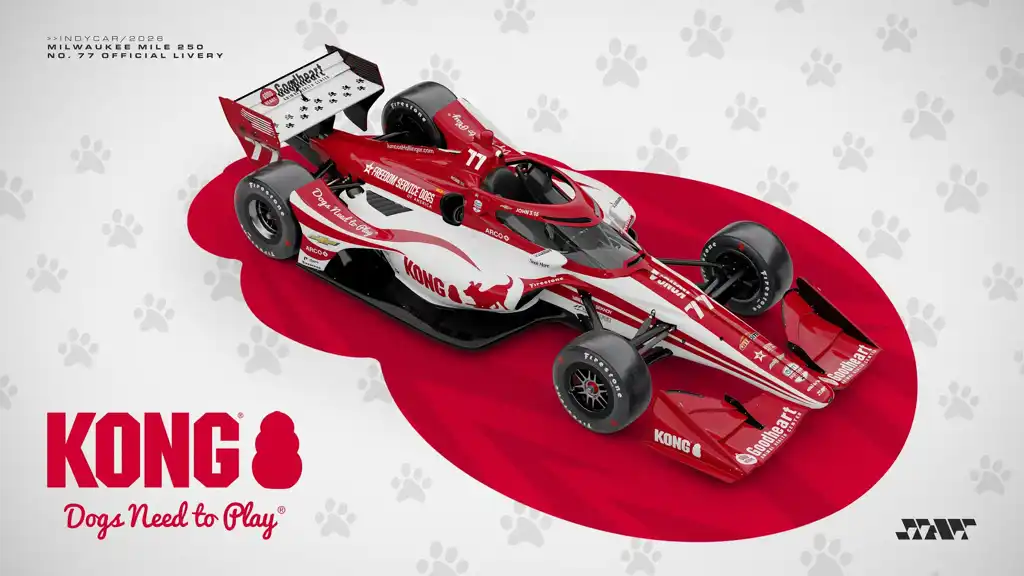
- KONG Joins Juncos Hollinger Racing’s Sting Ray Robb for Milwaukee Doubleheader (Juncos Hollinger)
- Arrow McLaren Adds Autonomous Trucking Pioneer Aurora as Official Partner (McLaren)
- Silverstone agrees five-year partnership with PepsiCo (SIG)
- Motorsport Sponsorship: Cut Through the Noise & Drive Real ROI (Kevin Boehm)
- MSR bringing Grateful Dead look to Portland (RACER)
- Wheatley Vodka hits the track with NASCAR (The Spirits Business)
- NASCAR Cracked The YouTube Code (Alex Kopilow)
The Business of Running a Race Team
Understanding Key Managerial Roles in a Formula One Team
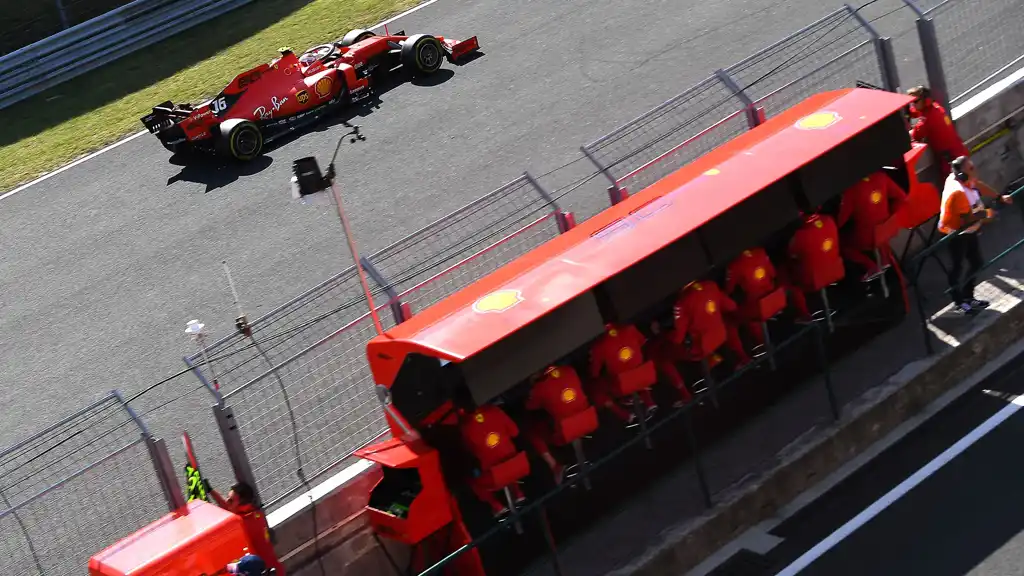
Davide Beatrice goes behind the pit wall in this two-part series that looks at the key managerial roles in a Formula 1 team. You can read Part 1 here and Part 2 here.
Team & Manufacturer News
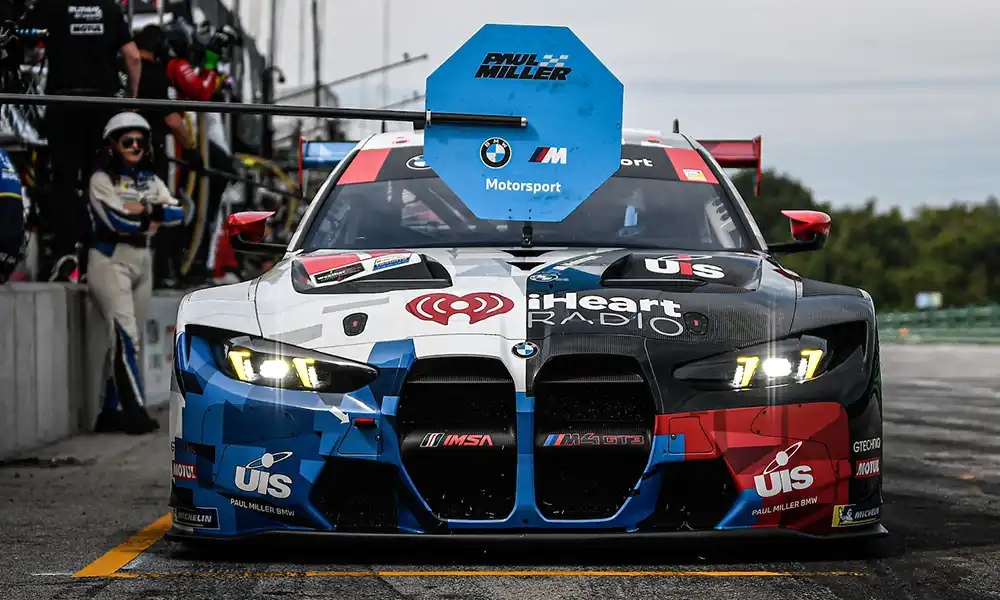
- Paul Miller Racing Facing Uncertain Future (Sportscar365)
- Paul Miller Racing keeping post-2026 options open (RACER)
- Flavio Briatore reveals huge Alpine F1 value claim amid Otro bid (Motorsport Week)
- The Dallara IR-28: Standing Still at 230 Miles Per Hour (Now Builds Next)
- JDC-Miller still targeting second GTP entry (RACER)
- Pfaff to Depart WeatherTech Championship at End of Season (Sportscar365)
- JMR Adds Pro Suzuka Car for McLaughlin, Sims, Catsburg (Sportscar365)
- CL Motorsport reopens to F4 program (CL Motorsport)
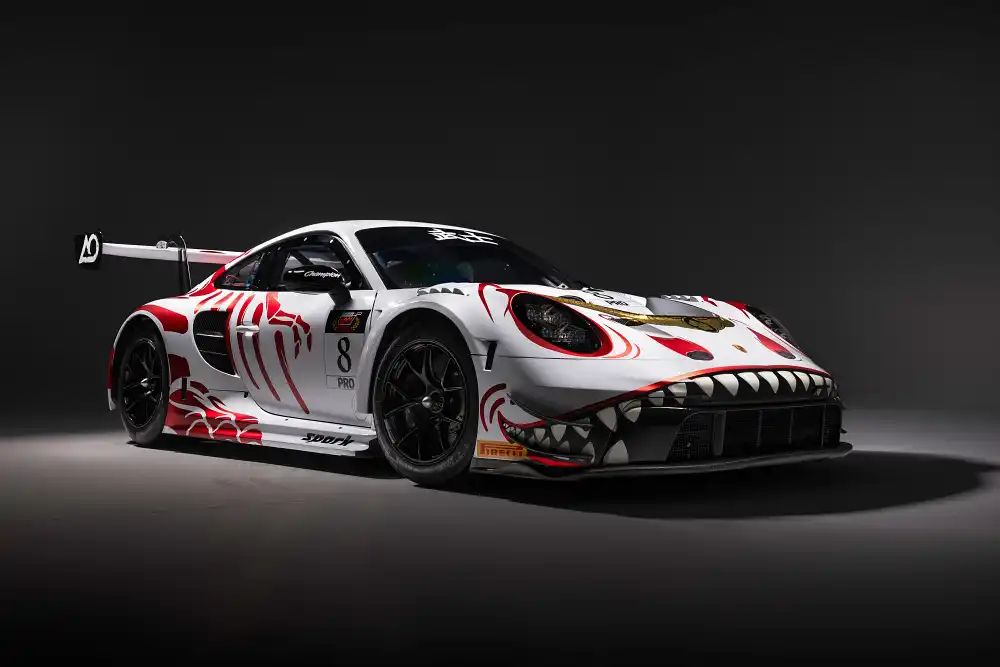
- AO Racing, Absolute Racing Team Up To Bring “Bushi Rex” To Suzuka 1000km (Daily Sportscar)
- Pitlane Development Announces Expansion to Two-Car Entry for the 2027 City Car Cup Championship (Pitlane Development)
- Legacy Motor Club wants to win, but is going about it differently (RACER)
- The novelty of Cadillac in F1 is starting to wear off – but that’s a compliment (Autosport)
- Second-year Viking Motorsports making noise in NASCAR with top-five finishes, slick social media (SBJ)
Motorsport Movers & Shakers
Flavio Briatore Explains How F1 is Really Changing
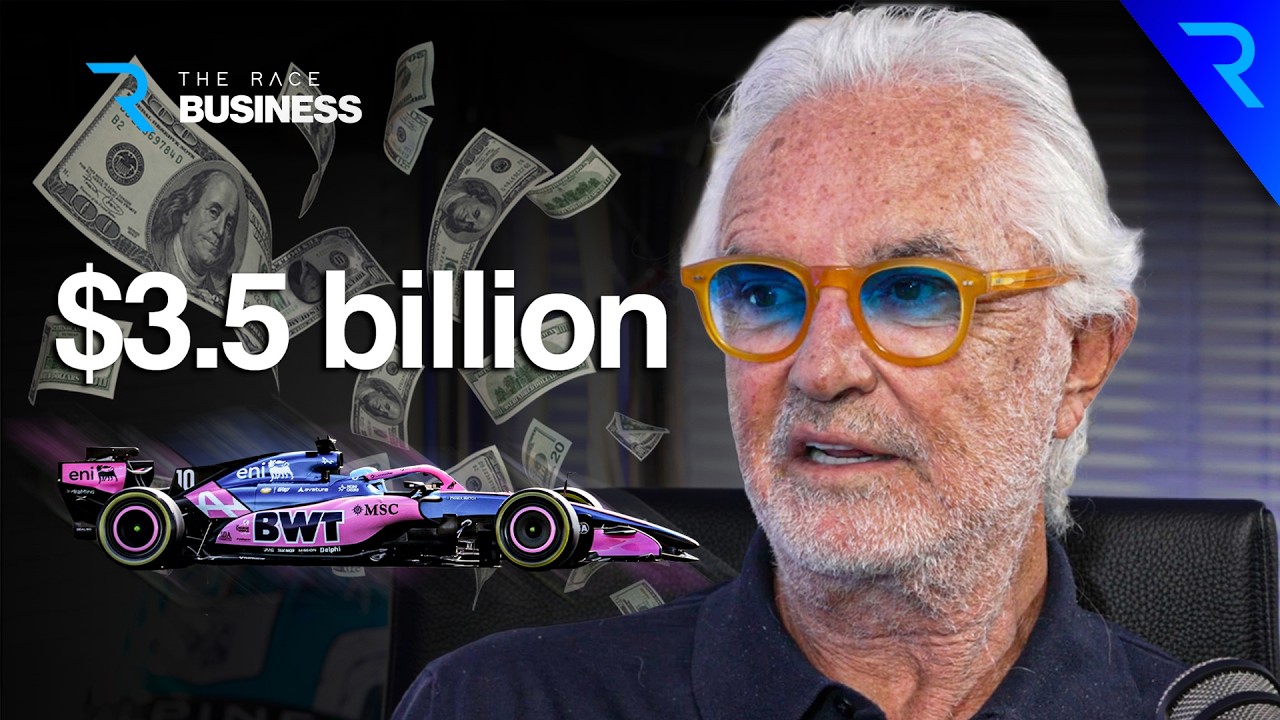
Alpine’s executive advisor and de facto team boss Flavio Briatore, is the latest guest on The Race Business’s ‘In Conversation With…’ series with The Race co-founder Darren Cox. Briatore talks about how Team Enstone has gone from an $80 million valuation to a $3.5 billion valuation, how highly he rates Pierre Gasly, why he thinks there needs to be 24 sprint races and explains how he turned a ‘very bad idea’ into a $150 million title sponsorship deal. You can watch it above.
Vincenzo Landino from Business of Speed reacts to the podcast in What I Learned From Listening to a Flavio Briatore Interview.
Author: Mark Boudreau
Mark is the publisher of Motorsport Prospects and the host of the Motorsport Prospects Podcast. As a lawyer, he applies his legal background and research skills to assist race drivers by showcasing the resources they need to make their motorsport careers happen.
