
Introduction
When I published 10 Career-Defining Lessons from the Motorsport Prospects Podcast, one thing became clear: the same question — “Based on your experience and expertise as a motorsport professional, what would be the one most important piece of advice you could offer a current or aspiring race driver?” — keeps producing answers that are anything but simple.
Episodes 11 through 20 of the Motorsport Prospects Podcast brought a new lineup of driver managers, communications experts, team owners, sponsorship strategists, sales professionals, and coaches to the mic. Their answers built on — and sharpened — the themes from the first ten episodes.
Ten more guests. Ten more answers. Last week I published the first five in Part 1, this week it is the final five in Part 2 and the themes found across all ten episodes.
16. Stop Looking for Sponsors — Look for Value
Jim Bowie | Motorsport Marketing & Sponsorship Veteran | Episode 16
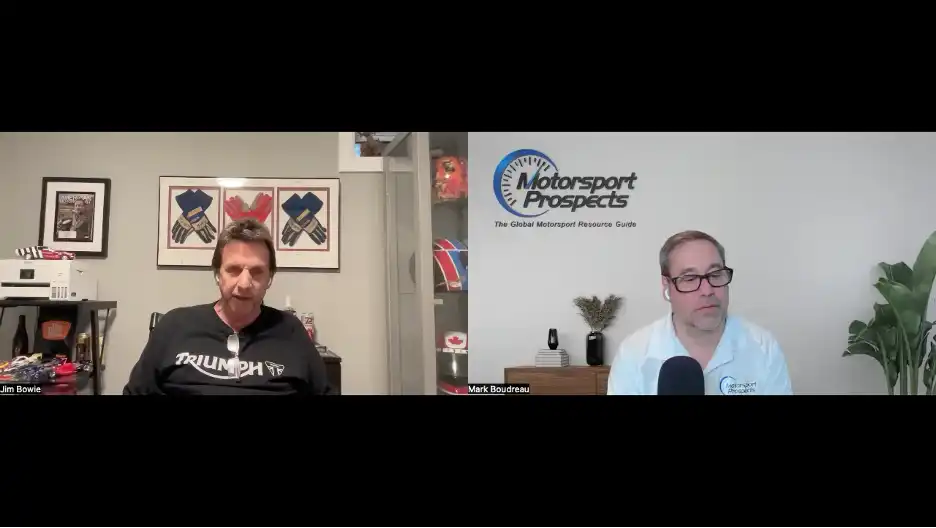
“Don’t look for sponsors, look for value… They don’t give a crap about your dreams and how many championships you’ve won. You need to be able to identify a value proposition that they’re not aware of yet that helps them solve a business problem.”
Jim has given this advice since 1994, and it echoes — and sharpens — Ken Ungar’s brand-differentiation lesson from Episode 3. His mindset shift reframes the entire sponsorship search: it’s not about finding companies that “sponsor things,” it’s about identifying the specific business problem you can solve for them.
The lesson: Every company around you already sponsors something. Your job isn’t to find sponsors — it’s to find the value you offer that they don’t yet know they need.
17. You Need a Unique Selling Point, Not Just a Results Sheet
Mike Scudamore | Team Brit | Episode 17
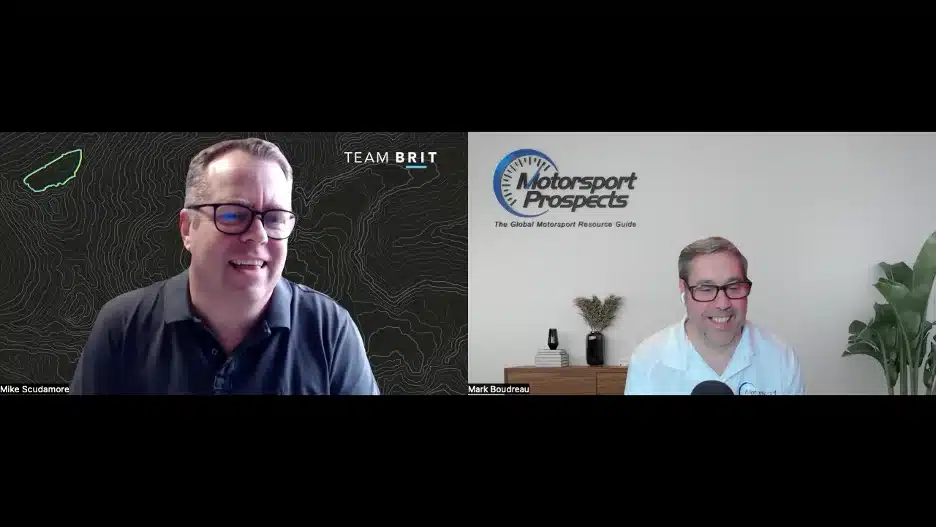
“Most people don’t operate in your world… Can they see their brand aligning with you? The person… What else have you got? What else makes you stand out?”
Mike has reviewed countless sponsorship decks that are little more than a list of results — and points out that most sponsor decision-makers don’t understand motorsport results in context anyway. Team Brit’s own unique selling point — enabling drivers with disabilities to compete — is the model he holds up for standing out.
The lesson: Treat yourself as a standalone business selling a product: you. Results matter, but a genuine unique selling point is what actually makes a brand sit up and pay attention.
18. Sales Is a Learnable Skill Built on Trust
Brian McRae | Partner Marketing Manager, Gradient Racing | Episode 18
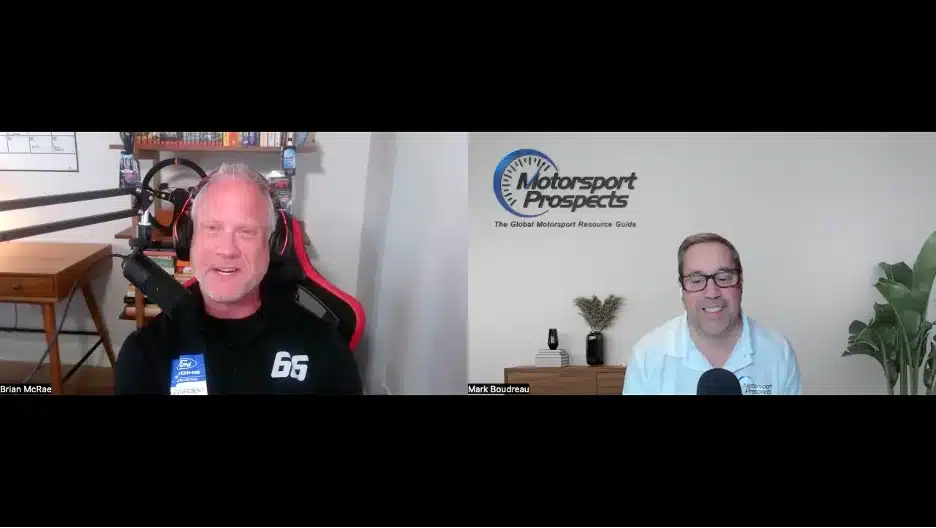
“It’s really about creating relationships and creating trust… those are all professional selling skills that anybody can learn and that you will use for your entire racing career.”
Brian brings 20+ years of corporate sales experience into motorsport, warning against the common trap of “chasing checks” instead of building a real sponsorship pipeline. His diagnosis of the most common mistake: drivers pitch everything about themselves without ever finding out what the sponsor actually needs — and often never even ask for the business.
The lesson: Sponsorship acquisition is sales, and sales is a process that can be learned. Build the relationship and trust first; the ask comes after, not instead of it.
19. Creativity on the Track Is Hard to Teach — But It’s What Separates the Best
Dominic Cicero | Driver Coach, DCICERO / FEA Now | Episode 19
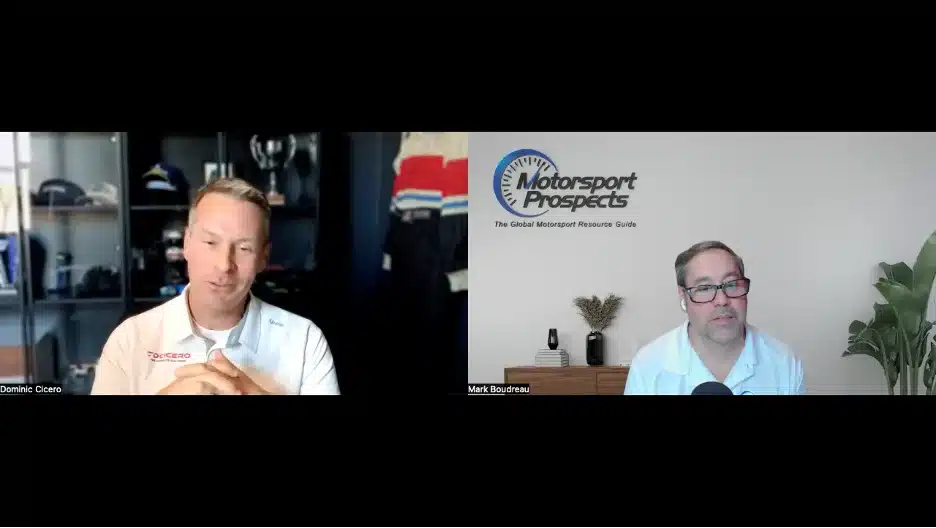
“The fundamentals… are obviously learned. But the hard part for me to teach… is the creativity… that creativity to search and find and to have that awareness and manipulate the car to do what you want it to do.”
Dominic can get most drivers close to the fastest lap through training and technology — but what he can’t easily coach is the improvisational instinct to keep a car fast even when it isn’t behaving perfectly. He also warns against over-structuring a driver’s mindset until small mistakes compound into lost laps.
The lesson: Don’t let rigid, “clinical” habits stamp out your instinct to adapt. The ability to roll with a mistake mid-lap — rather than freeze up — is a skill worth deliberately protecting and developing.
20. Speed Still Matters, even in the Social Media Age
Chris Bye | FEL Motorsports | Episode 20
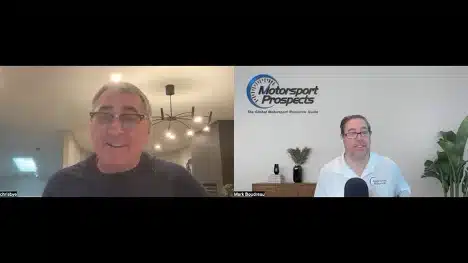
“There’s so much noise out there and to really separate yourself from the rest of the crowd… is a challenge… the drivers with the most amount of credentials have the least amount of ego, and I think it’s important to be humble.”
Chris, who raced in Canada in the pre-internet 80s and 90s, contrasts that era’s singular focus on craft and relationship-building with today’s environment, where social media gives every driver global exposure — but also floods the space with noise. His warning: don’t let the “look at me” instinct outpace the on-track result.
The lesson: Social media is a genuine tool for exposure, not a substitute for performance. Stay humble, keep results at the center, and let your presence support your speed — not replace it.
Themes Across Episodes 11–20
Theme 1: Trust and Value Have to Be Earned, Not Assumed
Ludovic Peze warns against trusting paddock rumors blindly. Jim Bowie reframes sponsorship as a search for value, not a search for sponsors. Brian McRae grounds all of sales in relationship-building and trust.
Whether it’s who you work with or who funds you, nothing in motorsport should be taken at face value.
Theme 2: You Are Always Selling — Learn to Do It Well
Mike Scudamore says you need a unique selling point, not a stat sheet. Brian McRae says sales is a learnable professional skill. Alexandra Schieren says communication and PR are core competencies, not bonuses.
Every driver is a brand and a salesperson, whether they’ve accepted that yet or not.
Theme 3: Presence — Physical, Mental, and Digital — Compounds
Mike Maurini says nothing replaces showing up at the track in person. Caroli Remmlinger says mental fitness deserves the same training discipline as physical fitness. Chris Bye says social media presence is real leverage — but only alongside real results.
Career-building presence isn’t one thing. It’s physical, mental, and digital — and all three need deliberate attention.
Theme 4: Motorsport Is a Capital Sport, So Build Like a Business
Will Marotti says think of yourself as a company, not just a driver, and reduce dependence on sponsorship by monetizing your own community. Jim Bowie’s “look for value” mindset is itself a business strategy applied to sponsorship.
Talent doesn’t guarantee advancement in motorsport — funding strategy does. Treat your career like a business because it is one.
Theme 5: The Hardest Skills to Teach Are the Ones That Matter Most
Dominic Cicero says creativity — the ability to adapt mid-lap — is the hardest thing to coach, but it’s what separates elite drivers. Caroli Remmlinger says mental performance training is misunderstood and underused, despite being foundational.
The intangible skills — creativity, mental resilience, trust-building — are undervalued precisely because they’re hard to measure. That’s exactly why they’re worth investing in.
Conclusion
Ten more conversations, ten more professionals who’ve spent their careers in the paddock, the boardroom, and behind the wheel — and the throughline holds:
A motorsport career isn’t won on speed alone. It’s built on trust, communication, mental preparation, business thinking, and the ability to adapt when things don’t go to plan.
Combined with the first ten lessons, these twenty conversations form a genuinely practical playbook — not theory, but advice tested by people who’ve lived it at every level of the sport.
Want more insights like these, delivered every week? Subscribe to the Motorsport Prospects Podcast for real conversations with driver coaches, sponsorship experts, team owners, and industry veterans — covering racecraft, mindset, sponsorship, and the business of being a race driver. New episodes drop weekly on all major podcast platforms.

Author: Mark Boudreau
Mark is the publisher of Motorsport Prospects and the host of the Motorsport Prospects Podcast. As a lawyer, he applies his legal background and research skills to assist race drivers by showcasing the resources they need to make their motorsport careers happen.
