The costs of running a race team in the DTM is just part of this week’s Business of Motorsport Roundup. I also have the seven big questions facing the motorsport industry in 2026, private equity in Formula 1 and more.
Overview
Motorsport Industry News
Seven Big Questions Facing the Motorsport Industry in 2026
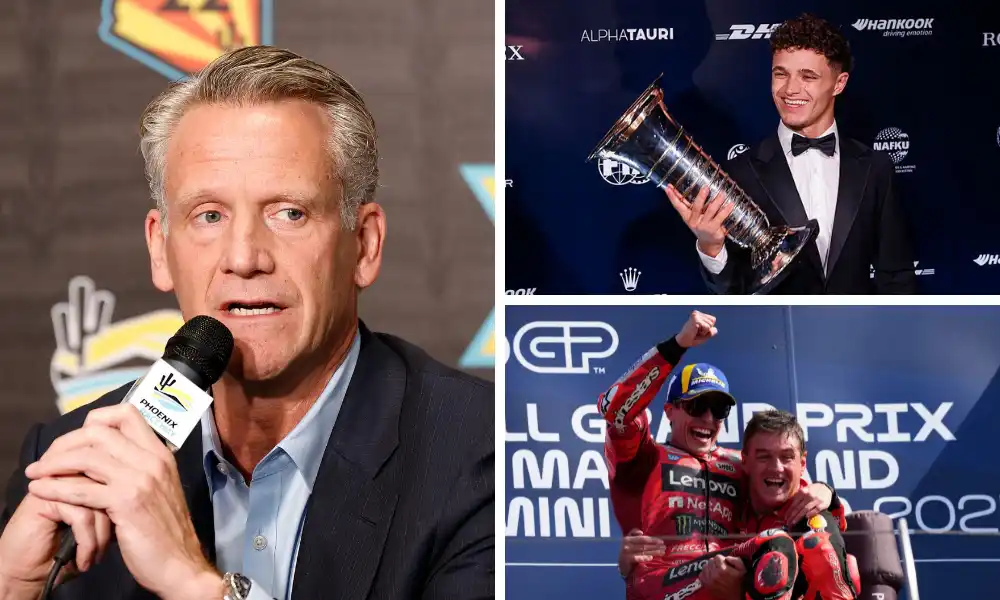
From leadership upheaval and ownership change to new regulations and market expansion, motorsport enters the new year facing pivotal decisions that will shape its future over the next 12 months and beyond. BlackBook Motorsport looks at the seven big questions facing the motorsport industry in 2026.
Gentleman, Start the NASCAR Fire Sale Rumors
Adam Stern of Sports Business Journal reports that media companies and private equity players have had informal talks with NASCAR about what it would look like to take a minority stake in the racing series. Read more here.
Despite Divisions on Steve Phelps’ Exit, NASCAR Industry Finds Agreement on Getting Back to Business
The fallout from NASCAR Holdings’ antitrust trial and resignation of Steve Phelps has sparked fierce debate in the racing world, but what people across the sport agreed on last week is the need to seize the moment to work better as an industry. Sports Business Journal spoke to roughly two dozen industry executives about Phelps’ resignation and what should come next to get NASCAR on the right track after its tumultuous offseason.
The Unfortunate Exit of Steve Phelps
Sports Business Journal’s executive editor Abe Madkour looks at the unfortunate exit of Steve Phelps. “No, Phelps wasn’t perfect. People who know him understand that the messages uncovered during litigation is not the Steve Phelps they know and respect. Going forward, he will be fine, with plenty of high-profile opportunities in sports, but I’m sure he’d do anything to not hit send on those messages.”
Formula 1’s Private Equity Era

The Paddock Project provides a practical guide to the money, the logic, and the trade-offs with private equity in Formula 1. “Things changed in 2021, when F1 introduced a cost cap that coincided with revenues exploding, thanks mainly to Liberty Media’s overhaul of the sport’s commercial strategy, which birthed the likes of Drive to Survive and lucrative media rights deals. Since then, team valuations have skyrocketed and seven out of ten teams are now profitable. More on why in the article below.”
F1 CEO Keeping Door Open for German GP Return to Calendar
Formula 1 CEO Stefano Domenicali has said the sport could bring back the German Grand Prix with the right organizer and the right offer. We are open and prepared for any kind of discussion,” he said to Motorsport Magazine.
“I see some signs of optimism and I hope this will evolve in the coming months. We are interested in returning to Germany, but with the right organiser and the right offer.”
How Likely is an African GP Appearance on the F1 Calendar?
Formula 1‘s long-awaited return to Africa is becoming closer to reality as the sport begins to reassess the calendar’s global growth. “However, Louise Young, Formula 1’s director of race promotion, has emphasised that bringing a race to a brand new continent is far from straightforward. Projects of this scale require years of preparation, with significant financial backing and long-term commitment from various parties.”
How Sepang wants MotoGP to Evolve Under Liberty Media
As the host of one of Asia’s longest-running grands prix, Sepang outlines what circuit promoters expect from MotoGP’s new owner, Liberty Media. “I do believe that we have a very good product in MotoGP. What needs to be better is we need to open up more access to the fans, to the spectators that come over so that they can experience the money-can’t-buy experience that they can get when they come over to Sepang.”
The Skeletons of Failed Start-Up Series That HybridV10 Must Navigate
With Anthony Hamilton’s announcement of his new HybridV10 concept (covered in last week’s Business of Motorsport), Jake Boxall-Legge of Autosport Plus points out the the skeletons of failed start-up series that HybridV10 must navigate. “The ghosts of categories dead and still-born are perceptible when considering last week’s soft unveiling of Anthony Hamilton’s latest project.”
Four F1 Drivers Make Highest-Paid Athletes in the World List
Sportico has released their list of the 100 highest paid athletes in the world this week and four Formula 1 drivers made the list. You can see who they are here.
Quick Takes on the Business of Motorsport This Week
The Business Acumen of Max Verstappen, Charles LeClerc and More
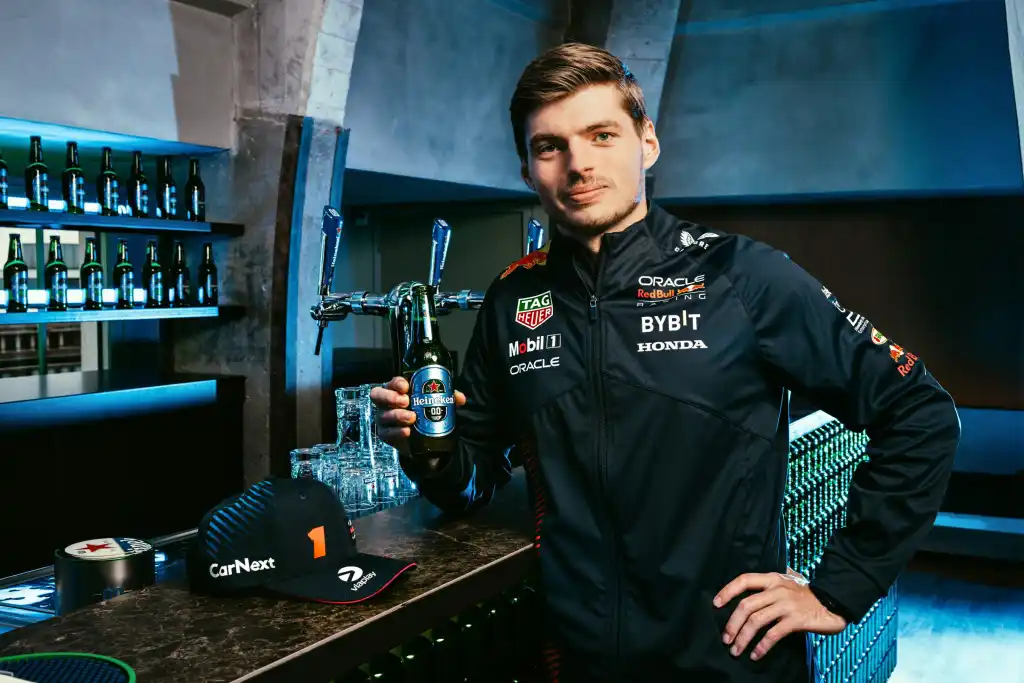
- Max Factor: The commercial success Verstappen brings to Red Bull (Sector)
- Charles Leclerc’s Creative Empire: Inside the F1 Driver’s Growing Portfolio of Side Quests (Paddock Journal)
- Latest F1 job listings indicate key 2026 challenge (Sector)
- From Sleeping in his Car to Leading Mercedes’ F1 Content and a 50-Person Agency with Ben Cowley (FanAmp Fast Lane)
- $50,000 To Win The Daytona 200 (Speed Sport)
- F1 deploys energy solution to help drive AI innovations (Sector)
- GP of Long Beach announces leadership transition (RACER)
- MP Group expands karting activities with acquisition of Chrono Karting (MP Motorsport)
- Inside Red Bull: The Private Playbook That Built A Global Powerhouse (Huddle Up)
- Things to Look Out for at F1 Car Launches If You’re a Marketing Nerd (Sunday’s Sponsors)
- What is the IHRA’s vision after track acquisition spree? (Motorsport.com)
- Ram announces reality series competition for final Kaulig Racing seat (RACER)
- WRC Rally Islas Canarias stays until 2029 (Motorsport Week)
- Formula Drift competition spurs Kenda innovation (Tire Business)
- A New Era For Pilbeam Racing! (Daily Sportscar)
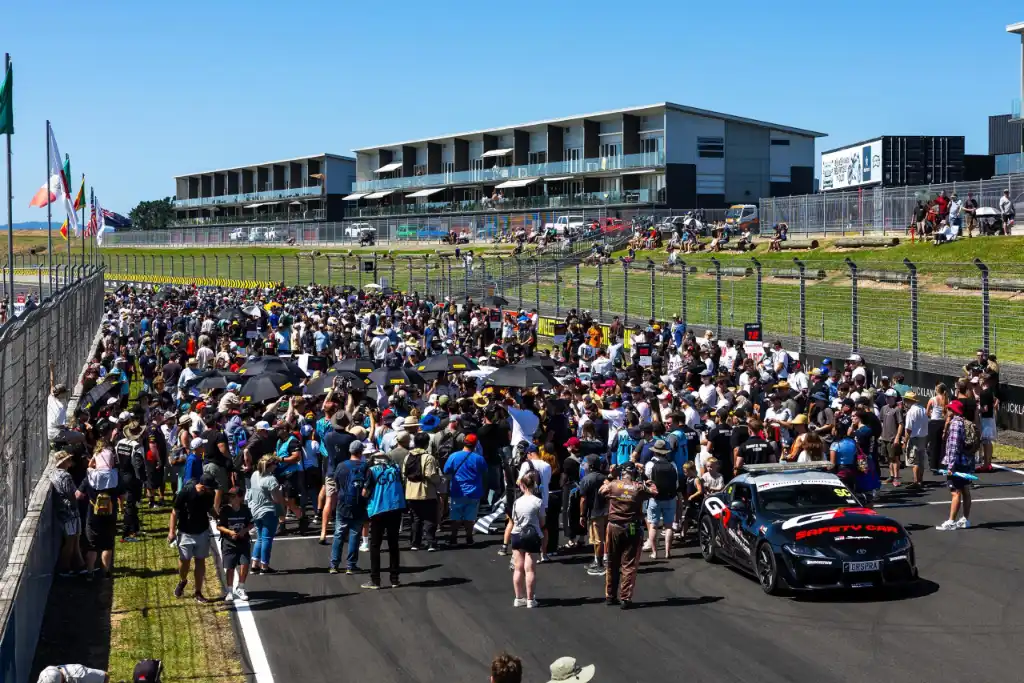
- Hampton Downs shines at Repco NextGen NZ Championship showcase (Talk Motorsport)
- BlackBook Motorsport Forum 2026 Agenda (BlackBook Motorsport)
- The business of rebranding in Formula 1 (Sector)
- FS1 to Broadcast SRO America Coverage (Sportscar365)
- The Invisible Made Visible: How Pirelli Translates Engineering Excellence into Fashion (Paddock Journal)
- Autosport Business Exchange convenes in London, featuring industry-influencing speaker line-up (Motorsport.com)
Highlights from the Sustainable Motorsport Roundup
Formula E Faces a Make-or-Break Year for Its Future

Formula E faces a make-or-break year for its future and in this week’s edition of the Sustainable Motorsport Roundup you will understand why. I also have news on how McLaren’s sustainability initiatives are having an impact far from the racetrack and much more!
Motorsport Law Roundup
The Potential Legal Loophole Stalling the Alleged Christian Horner Alpine F1 Takeover
Christian Horner might have to wait until September this year before he can make his ploy to return to Formula 1 with the Renault-backed Alpine project. “More recently, reports have strongly suggested that Horner has started plotting a minority takeover of Alpine with the help of investors. That said, the pathway into the Enstone-based team is riddled with legal hurdles.” Read more at Motorsport Week here.
Former F1 Driver Antonio Pizzonia Arrested On Assault Charge
Former F1 driver Antonio Pizzonia was arrested last weekend for an alleged assault in the USA, according to a report. Further details are unknown at this time, however it has reported that on the day he was arrested, Pizzonia was at the Speedsportz Racing Park for the 2026 Superkarts USA Winter Series on Saturday to support his son, who was competing. He has since released a statement.
“Everyone, I’m fine. I’m at home. In fact, there was an incident to which, today, I would have reacted differently. I understood at that moment that my son, a child, was being coerced by another adult, and I instinctively defended him. Thank you all for your messages of support.”
How Michael Schumacher Nearly Faced Attempted Murder Charges
On January 6 – in 1998, Michael Schumacher came close to legal strife after his controversial Formula 1 title-deciding collision the year previously. The climax of the 1997 season at Jerez saw Schumacher come together with Williams’ Jacques Villeneuve, in a contentious manoeuvre that decided the championship.
“German authorities explored the possibility of whether the incident would necessitate criminal charges, which were potentially on coercion and attempted murder. The idea was quickly quashed and Schumacher was free to race, once again taking the title down to the wire, losing out to Mika Hakkinen at the final round at Suzuka.”
Recent Key Cases in Sport Dispute Resolution
Altiner Akinci v. Turkiye
The European Court of Human Rights, in Altiner Akinci v. Turkiye of 6 January 2026, delivers a clear message for sports dispute-resolution systems: a fair trial requires properly reasoned decisions. The case concerned a Turkish international beach-volleyball referee whose exclusion from international appointments was upheld by the national Sports Arbitration Board, whose decisions were final and not subject to ordinary judicial review.
While the Court found no violation regarding the independence or impartiality of the Sports Arbitration Board, it identified a violation of Article 6 §1 due to the absence of sufficient reasoning. The arbitral body failed to explain the criteria applied by the federation, did not address the applicant’s key arguments, and did not meaningfully assess whether the federation’s broad discretion had been exercised lawfully and non-arbitrarily.
The judgment underscores a crucial principle: even where compulsory sports arbitration is institutionally acceptable, it must offer effective judicial scrutiny. Formal review is not enough. When careers are affected by discretionary decisions, arbitration bodies must show why those decisions are justified. Without clear, reasoned decisions, compulsory sports arbitration risks falling short of the Convention’s fair-trial guarantees.
Yokuslu v. Turkiye
In Yokuslu v. Turkiye (6 January 2026), the European Court of Human Rights found a violation of Article 6 paragraph 1 ECHR due to the lack of independence and impartiality of the Turkish Football Federation’s (TFF) Arbitration Committee in a system of mandatory sports arbitration.
The Court gave particular weight to the public statements and actions of the TFF President, who in 2022 and 2024 called on all committee members to resign after elections, despite statutory four-year terms. In 2024, the President used the proverb “a horse neighs according to its rider”, reinforcing the perception that committees were expected to follow the executive. The resulting resignations and reappointments undermined the appearance of independence.
Although legislative reforms had strengthened formal safeguards, the Court held that executive practice prevailed over law in reality. Convention rights must be practical and effective, not merely formal—especially where arbitration reviews decisions of the appointing authority itself.
NFL throws Hail Mary to Supreme Court on Commissioner Arbitral Authority
In August 2025, a federal appeals court ruled that race discrimination claims brought by Brian Flores, former head coach of the Miami Dolphins, should not be arbitrated before National Football League Commissioner Roger Goodell.
Last week, the NFL filed a petition with the U.S. Supreme Court seeking review of the August ruling, which was issued by a three-judge panel of the U.S. Court of Appeals for the Second Circuit.
The Second Circuit had also held that the NFL’s arbitration process for non-player employees was fundamentally unfair and therefore not entitled to the protections of the Federal Arbitration Act. The NFL is asking the Supreme Court to restore the courts’ longstanding deference to the dispute resolution processes of sports leagues.
Motorsport Sponsorship, Partnership News and Analysis
Audi and McLaren Launch New Teams with New Partners
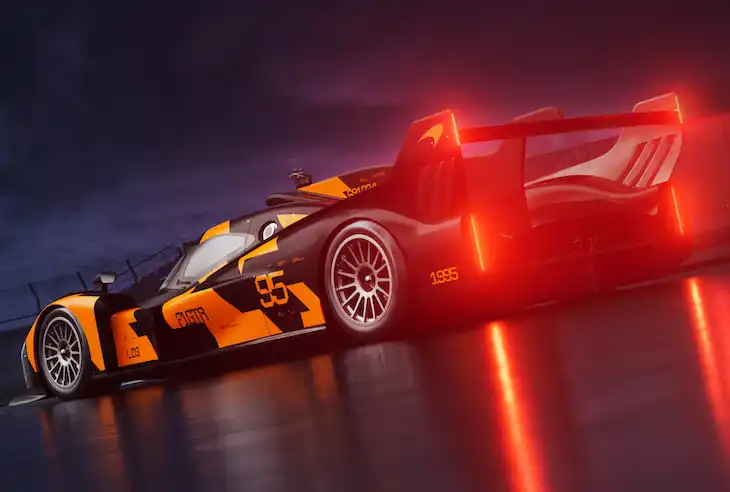
- McLaren Racing Confirm First Hypercar Commercial Partners (Daily Sportscar)
- Motul to support McLaren Endurance Racing in its entry in the FIA World Endurance Championship (Motul)
- McLaren Racing paints future with AkzoNobel (SIG)
- The F1 Partnerships I’m Looking Forward to in 2026 (Sunday’s Sponsors)
- Driven to the MAX: DuraMAX Named Primary Entitlement Sponsor for March 1 NASCAR Cup Series Race at COTA (Eastern Progress)
- IMSA Partners with Airbnb for Entitlement of New IMSA Airbnb Endurance Challenge Debuting in 2026 (IMSA)
- Castore becomes Haas F1 Team’s official kit partner amid TGR rebrand for 2026 season (Motorsport.com)

- P&G deploying Gillette, two other shaving brands into F1 with new Audi team deal (Sports Business Journal)
- Audi F1 add NinjaOne and Hyatt as partners ahead of debut season (BlackBook Motorsport)
- Audi Revolut F1 Brings On Major New Sponsor Hyatt Ahead Of Formula 1 Season (Forbes)
- Audi F1 promises paddock tours and private lounges in new World of Hyatt deal (Motorsport.com)
- Doritos rolls out Golden Sriracha tortilla chips in F1 promotion (The Grocer)
- Meyer Shank Racing expands Ault IMSA relationship to IndyCar (RACER)
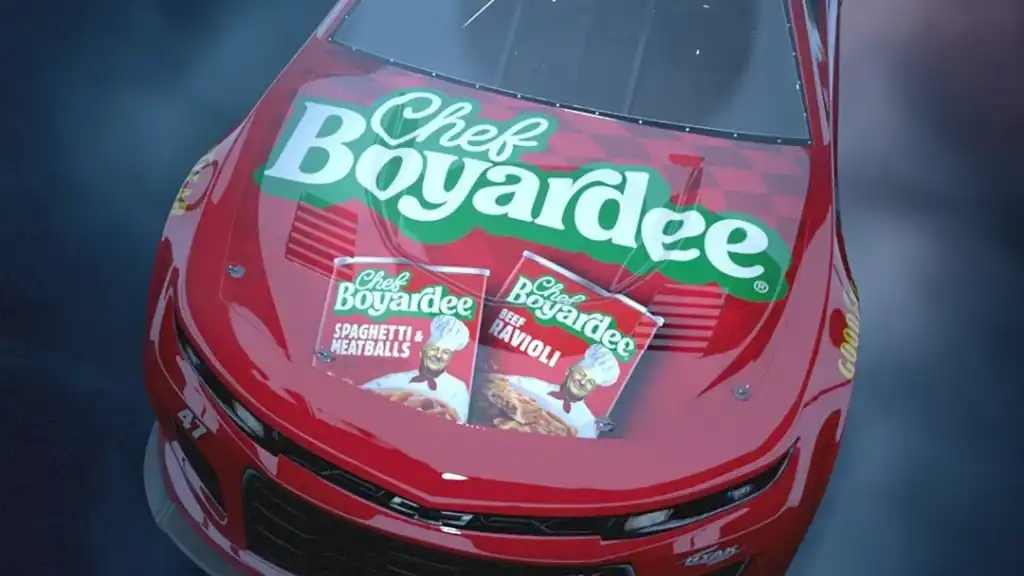
- Hyak Motorsports Introduces New 3-Race Sponsor for Stenhouse in 2026 (Racing America)
- Justice Teams Up With NASCAR for a Racing-Inspired Tween Apparel Collection (License Global)
- Toyota’s bigger 2026 F1 deal with Haas explained (The Race)
- Why IFS is already a multi-year partner of F1 newcomers Cadillac (Sector)
- BWT Alpine Formula One Team partners with eToro ahead of the 2026 season (Alpine)

- Aston Martin partners with global icon Meccano in F1 first (Racing News365)
- Chili’s Extends Spire Sponsorship (Front Stretch)
- adidas and Mercedes−AMG PETRONAS F1 Debut the New Teamwear Collection for 2026 Season (PR)
- What’s next in sports sponsorships, according to marketers (Marketing Brew)
- Sponsorship outlook 2026: The trends and market forces shaping the year ahead (The Sponsor)
The Business of Running a Race Team
The Full Cost of a DTM Season

Running a full DTM campaign remains a major financial commitment, even in the GT3 era. ABT Sportsline has provided rare insight into what that commitment actually looks like in concrete terms, with marketing director Daniel Abt revealing internal budget figures that show just how expensive a modern DTM season has become.
“Since we are a private team in the GT3 DTM, we do receive some factory support – but we have to shoulder the majority of the costs ourselves,” Abt wrote on LinkedIn.
Team & Manufacturer News
Williams HQ, McLaren Hypercar Program and More
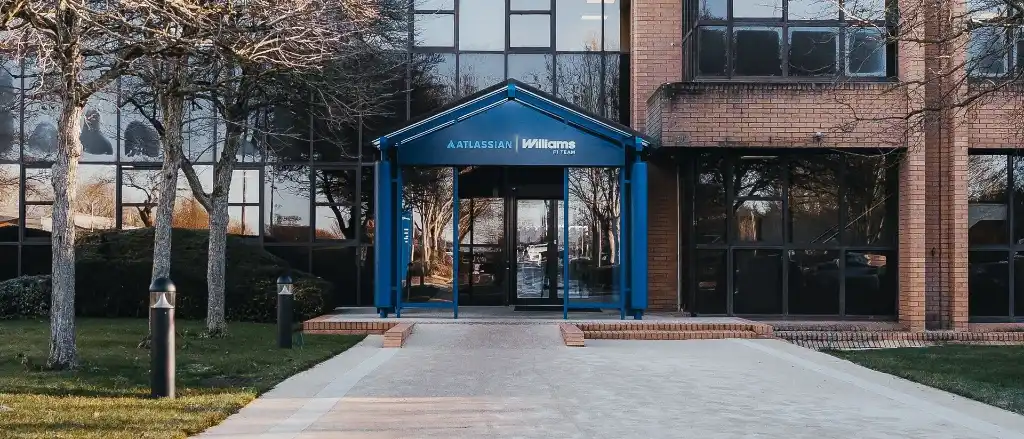
- Grove: The home of Atlassian Williams F1 Team (Williams F1)
- Williams F1 owner Dorilton emerges from shadows to discuss team’s success and momentum into 2026 (Sports Business Journal)
- Toyota’s European R&D center changes its name and competes in WEC with a new brand (Toyota)
- Honda 2026 Motorsports Program Overview (Honda)
- Front Row Motorsports shuffles personnel, names new crew chief for Gragson (Motorsport.com)
- Cult hero driver Cody McKay launches two-car motorsport team (V8 Sleuth)
- Plato Racing brings Mercedes-AMG A35 Saloon to BTCC grid (Touring Car Times)
- R-ace GP to run two of Mercedes-AMG’s F1 juniors in UAE4 (Formula Scout)
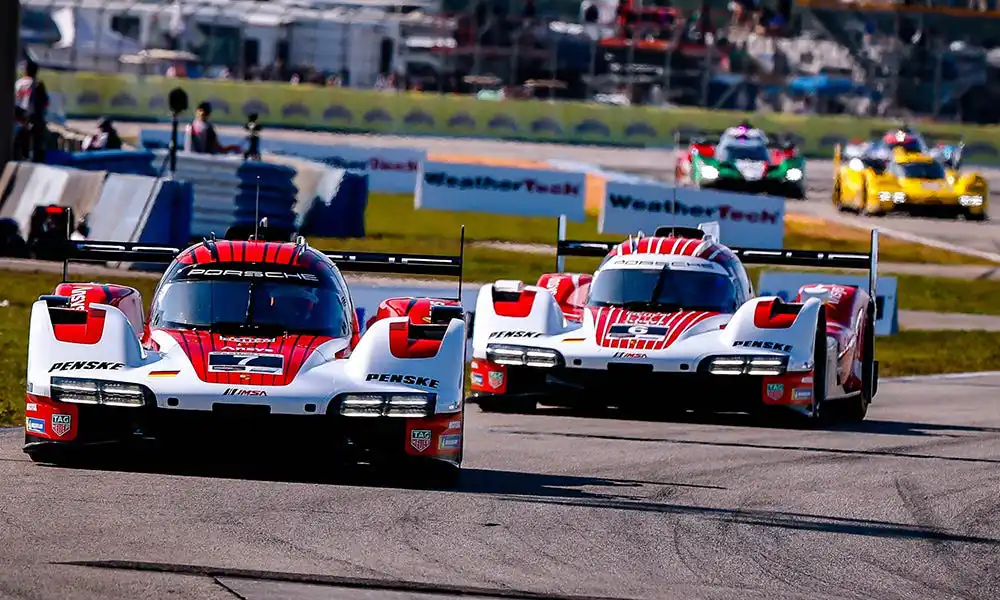
- How Porsche Penske is Aiming to Stay on Top Despite WEC Exit (Sportscar365+)
- ‘Not everything is going well’: Honda makes startling admission ahead of F1 return (Motorsport Week)
- Team UpGarage Links Up With Real Racing, Promotes Honda Junior Shimbara (Daily Sportscar)
- ROOKIE Racing Announces GT300 Entry With Mercedes-AMG GT3 (Daily Sportscar)
- JDC-Miller to Run Porsche 963 in 2025 Spec With IMSA Provision (Sportscar365)
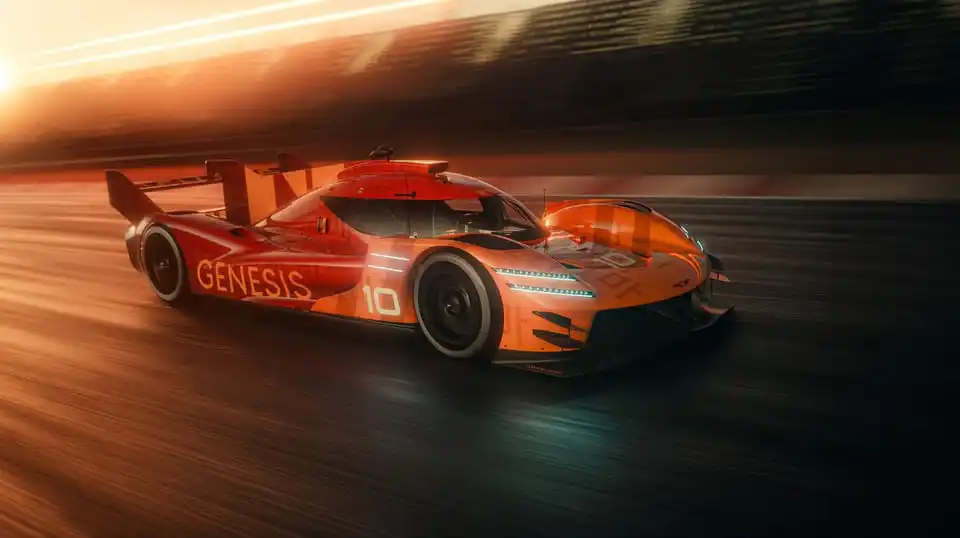
- Genesis Magma Hits 8,000 KM Reliability Benchmark Ahead of 2026 WEC Hypercar Debut (Vantage)
- Hidalgo Replaces Dane as Corvette Program Manager (Sportscar365)
- PREMA undergoes ownership shake-up; clock ticking on search for new backers (RACER)
- The Rosin family leaves Prema after more than 40 years (Motorsport.com)
- Citroen’s instant Formula E success isn’t without controversy (The Race)
- M-Sport reveals 2026 WRC Ford Puma (Autosport)
- Archangel to Operate Circle H Aston GT4 for Hampton, Merrill (Sportscar365)
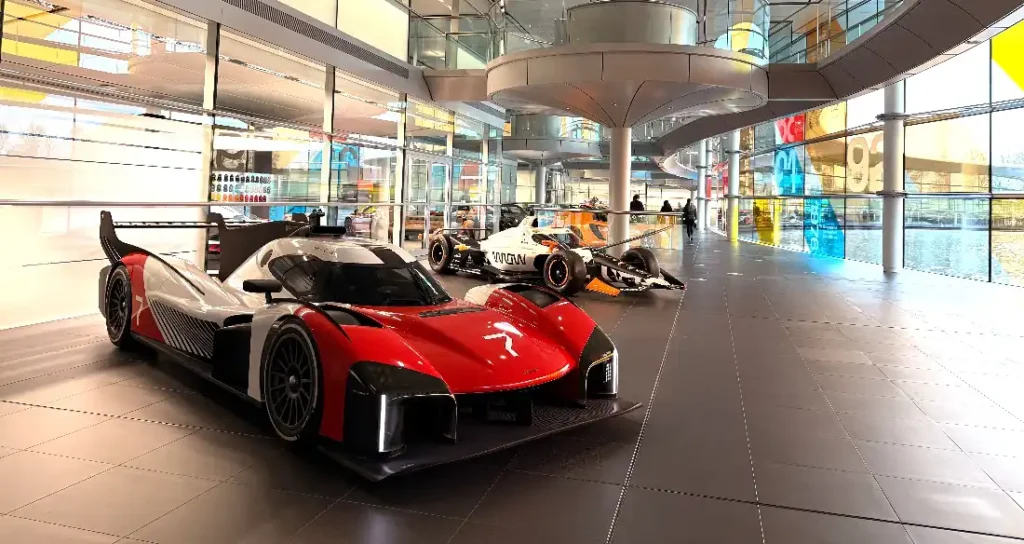
- McLaren Hypercar program readies for its next step forward (RACER)
- Ford executives hit back at Cadillac’s F1 jabs: ‘They’re not running a Cadillac engine’ (The Athletic)
- Hyundai unleashes refreshed 2026 WRC challenger (Autosport)
- Vanwall’s 2026–27 Hypercar Comeback: Upgraded 680 Aims to Erase 80HP Deficit in AsLMS (Vantage)
- Toyo Tires To Field SP9 GT3 Entry With Mercedes (Daily Sportscar)
- Paradine Competition Adds Second BMW For Dubai (Daily Sportscar)
Motorsport Movers & Shakers
McLaren’s Epic Return: Zak Brown On Financial Crisis, Driver Fallouts & World Dominance
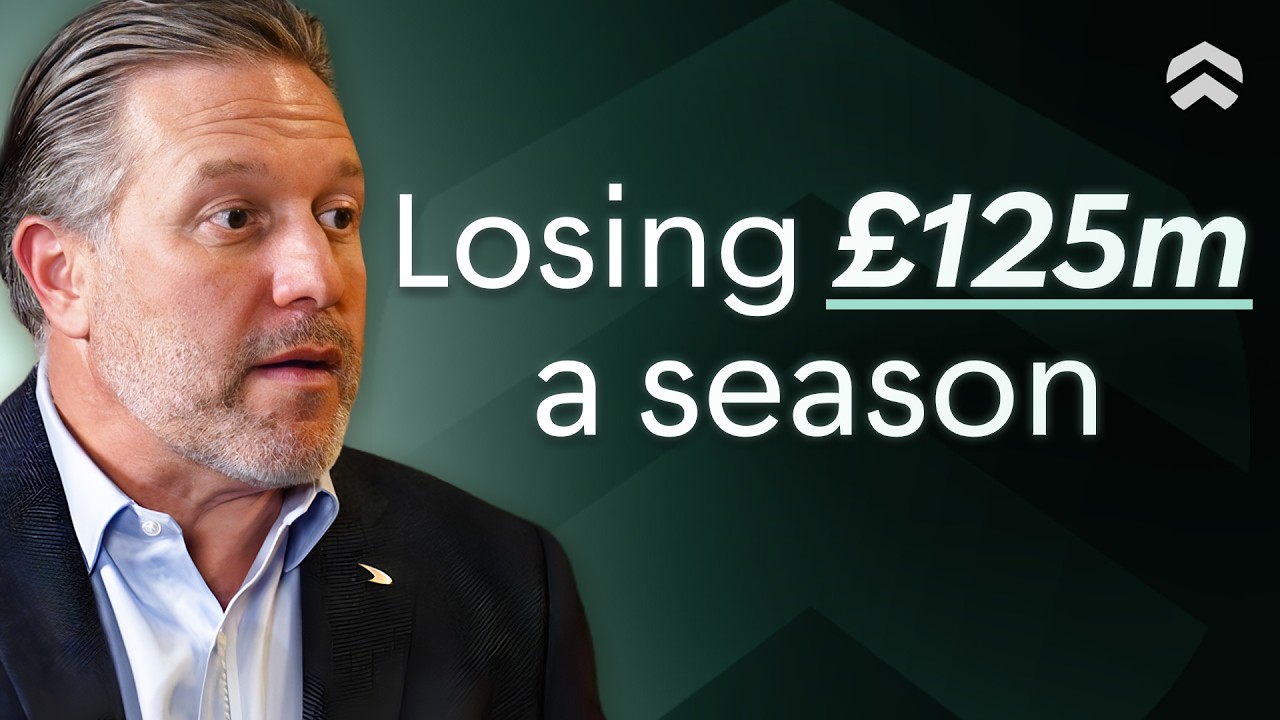
McLaren Racing CEO Zak Brown returns to High Performance to reveal the truth behind McLaren’s remarkable comeback, from financial crisis and public doubt to rebuilding one of Formula One’s most iconic teams.
He opens up to Jake and Damian about stepping into chaos, restoring belief through culture and communication, and the power of difficult conversations in transforming leadership. Zak also reflects on his unconventional journey from a rebellious kid in California to leading a global motorsport powerhouse, and why loyalty, trust, and humility remain at the heart of his success.
This is an unfiltered conversation about resilience, reinvention, and what it really takes to lead under pressure, proof that true high performance starts with people, not power.
Author: Mark Boudreau
Mark is the publisher of Motorsport Prospects. As a lawyer, he applies his legal background and research skills to assist race drivers by showcasing the resources they need to make their motorsport careers happen.
